
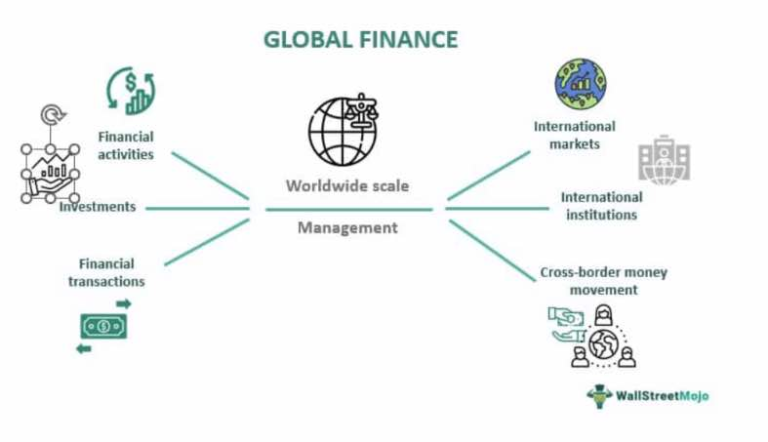
The global finance system has entered a transformative phase, marked by the rise of non-bank institutions, increased government borrowing, and the fragmentation of traditional financial networks. These changes are reshaping how money flows, how risk is distributed, and how you should manage your finances. Understanding these shifts empowers you to protect your savings, optimize investments, and prepare for the financial challenges ahead.
1. What Just Shifted in the Global Finance System?
The world’s financial architecture has changed structurally, creating implications for both investors and everyday savers. Let’s break down the main shifts:
1.1 From Private-Sector Lending to Government Borrowing
Traditionally, banks were the main source of credit, providing mortgages, business loans, and consumer credit. However, in recent years, governments have become the primary borrowers. The Bank for International Settlements (BIS) reports that the majority of credit growth is now concentrated in sovereign bonds rather than corporate or household lending.
In practical terms: Governments issuing massive debt means global interest rates and inflation may behave differently than expected, directly impacting savings and investment returns. (BIS 2025)
1.2 The Rise of Non-Bank Financial Intermediaries (NBFIs)
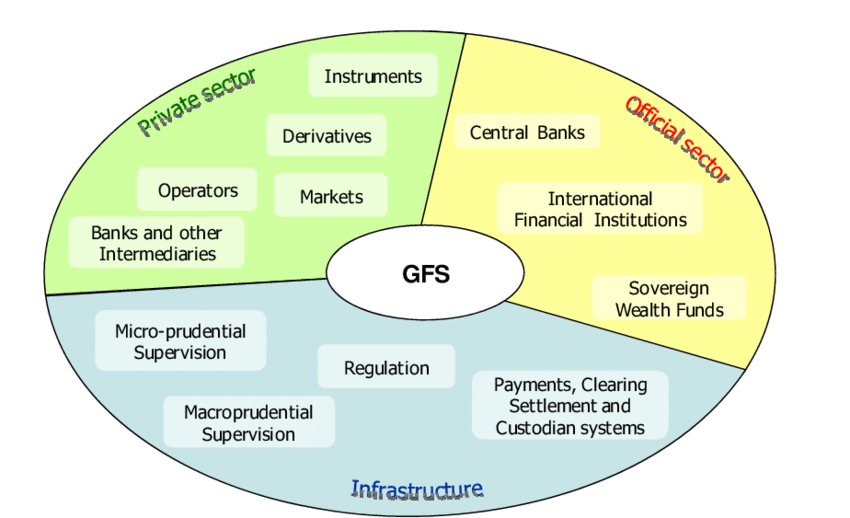
Non-bank financial institutions — such as pension funds, insurance companies, hedge funds, and investment funds — now dominate global finance. Their combined assets grew from roughly 167% of global GDP in 2009 to 224% in 2023. (BIS 2025)
This shift changes how capital moves, how risks are transmitted, and what factors drive market behavior.
1.3 Increased Global Interconnectedness
Global markets are now more tightly linked than ever. Policy changes in one major economy — like the U.S., China, or Europe — can produce immediate ripple effects worldwide. Investors and savers need to be aware that domestic financial decisions are increasingly influenced by international events.
1.4 Fragmentation and Alternative Systems
Countries are exploring alternatives to the traditional U.S. dollar-based financial system, including regional payment networks and central bank digital currencies (CBDCs). This trend could reshape the way global transactions are settled and how assets are valued. (RUSI 2025)
1.5 Why Now?
The structural shift stems from several factors:
- Post-GFC regulatory changes that reduced the dominance of traditional banks.
- Massive government debt driven by COVID-19 stimulus programs.
- Fintech and digital innovations, including digital currencies.
- Geopolitical tensions prompting countries to explore alternatives to the U.S. dollar system.
2. Implications for Your Money
The structural shift in global finance affects savings, debt, and investments. Here’s how:
2.1 Savings and Currency Exposure
- Currency risk has increased. Holding money in a single currency may be less “safe” as global investors shift capital.
- Example: A weakening U.S. dollar could reduce your international purchasing power.
2.2 Borrowing and Debt Costs
- Rising government debt can push yields up, leading to higher interest rates for borrowers.
- Example: Businesses with floating-rate loans may face rising monthly payments. (FT 2025)
2.3 Investment Portfolio Implications
- Non-bank financial intermediaries influence market valuations differently than traditional banks.
- International spill-over risks now directly affect U.S. stocks, bonds, and commodities.
- Example: An economic shock in Asia can impact U.S. portfolios more than a decade ago.
2.4 Fragmentation and Emerging Systems
- Financial fragmentation increases risk exposure.
- Example: A country using an alternative payment system may impact global investors with exposure to its bonds or markets. (RUSI 2025)
2.5 Practical Takeaways
- Diversify currencies and geographies.
- Monitor interest-rate exposure for loans and savings.
- Evaluate the risk of traditionally “safe” assets.
- Stay alert to global policy and central bank decisions.
- Consider alternative financial instruments like CBDCs or digital assets carefully.
3. Real-Life Examples
Example A: U.S. Retiree
Jane holds all her savings in U.S. Treasuries. If the dollar weakens or global investors shift away from U.S. bonds, her purchasing power abroad may drop. A mix of foreign-currency bonds and inflation-linked assets would provide a buffer.
Example B: Small Business Owner
Mike runs a landscaping company with a floating-rate loan. Rising global yields and U.S. monetary policy responses could increase his borrowing costs unexpectedly. Hedging or converting to a fixed-rate loan could mitigate risk.
Example C: Emerging Market Investor
Linda invests in Southeast Asian bonds. As global flows shift away from traditional systems, currency and system risks grow. Diversifying into developed markets and selective digital assets can reduce exposure.
4. Frequently Asked Questions
Q1: Has the U.S. dollar’s dominance changed?
Yes. Alternatives like regional payment systems and digital currencies are challenging dollar dominance, increasing currency risk for investors. (SEC 2025)
Q2: Why is government debt growing?
COVID-19 stimulus and structural deficits have expanded government borrowing, affecting interest rates, inflation, and asset values.
Q3: What are non-bank financial intermediaries (NBFIs)?
These include pension funds, hedge funds, and insurance companies. They now control much of global credit and can move markets significantly.
Q4: Can global financial shocks spread faster?
Yes. Increased interconnectedness means shocks in one region can propagate rapidly to others, affecting domestic portfolios.
Q5: Do digital currencies matter?
Yes. CBDCs and stablecoins change transaction mechanisms, potentially impacting savings, payments, and investments.
Q6: Should I move investments abroad?
Not purely in reaction. Diversification can help, but foreign assets carry their own risks like currency and tax exposure.
Q7: Will inflation and interest rates behave differently?
Yes. Sovereign debt growth and global integration make inflation and rates less predictable, impacting both savers and borrowers.
Q8: Are emerging markets more vulnerable?
Often yes. They face currency, capital flow, and debt risks amplified by global shifts.
Q9: How can I protect my savings?
Diversify currencies, consider inflation-protected instruments, hold liquidity, and monitor global conditions.
Q10: What long-term changes should I expect?
Expect a multipolar financial system, increased technology adoption in finance, and a stronger emphasis on resilience and alternative networks.
5. Actionable Steps for Your Money
- Review currency exposure and diversify holdings.
- Evaluate interest-rate risk for loans and investments.
- Rebalance portfolios with international and inflation-linked assets.
- Maintain liquidity for flexibility.
- Monitor policy shifts and geopolitical risks.
- Stay informed on digital finance trends.
- Consult financial advisors for complex strategies.
6. Expert Insights
- BIS: “The shift from banks to non-bank financial intermediaries is a structural change reshaping global finance.” (BIS 2025)
- IMF warns of rising global financial stability risks as integration grows. (The Guardian 2025)
- UN calls for overhauling global finance to mobilize resources for sustainable investment. (UN 2025)