
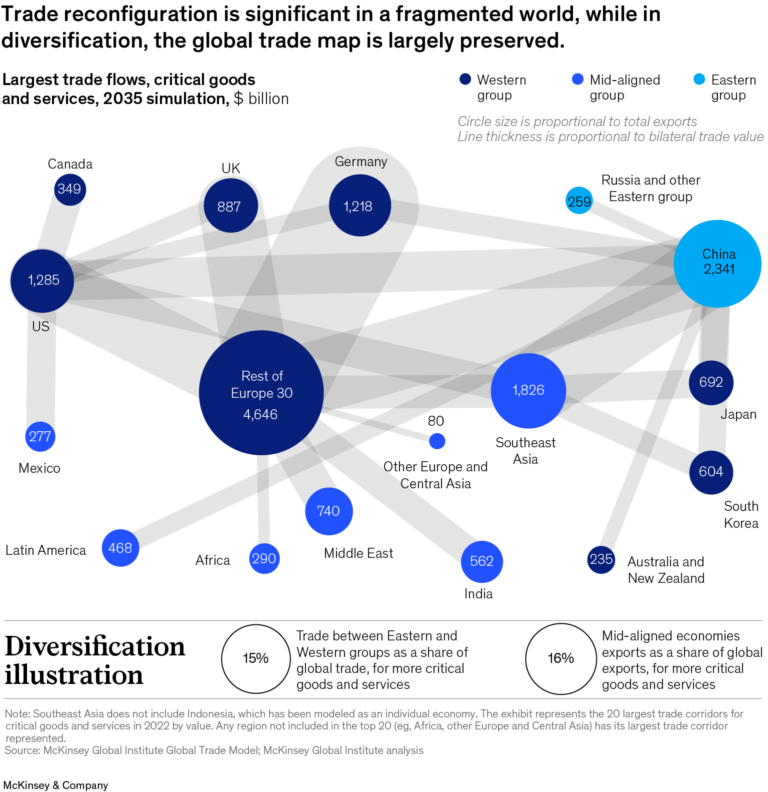
While inflation grabs headlines, geopolitical risk is silently reshaping investment landscapes. Trade wars, regional conflicts, sanctions, and shifting global alliances can trigger abrupt market disruptions far faster and broader than inflation. Investors who understand these dynamics are better positioned to safeguard wealth, diversify portfolios, and adapt to a rapidly evolving global economy.
Understanding Geopolitical Risk for Investors
Geopolitics refers to the interplay between countries, governments, trade blocs, and strategic alliances and how these relationships influence global markets. This includes wars, sanctions, tariffs, resource access changes, and regulatory shifts. Unlike inflation, geopolitical risks are stealthy and often underestimated, yet their market impact can be swift and severe.
Recent research shows that geopolitical shocks can cause immediate portfolio losses even in assets considered “safe.” (MSCI)
Why Geopolitics Pose a Greater Risk Than Inflation
1. Geopolitical Events Hit Fast and Broad
Inflation is measurable, predictable, and gradual. Geopolitical events, however, can trigger instant shocks. Consider the Russia‑Ukraine conflict: it caused immediate spikes in energy and food prices but also disrupted global supply chains and investor confidence simultaneously. (S&P Global)
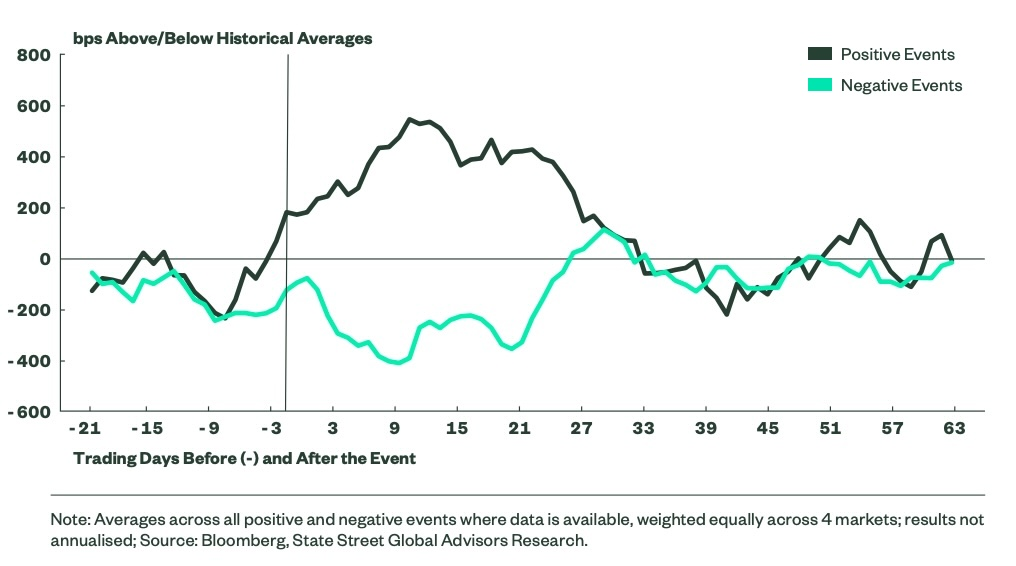
IMF studies show that stock prices drop 1% on average in advanced economies during major geopolitical events and up to 5% in emerging markets during conflicts. (IMF)
By contrast, inflation trends unfold slowly, allowing investors time to adjust portfolios.
2. Geopolitical Risk Breaks Portfolio Assumptions
Most investment strategies assume “normal” conditions: free trade, predictable regulation, and stable supply chains. Geopolitical disruptions can shatter these assumptions.
Example: In 2025, U.S. companies planned record-low new investments in China due to export control policies and rising geopolitical tension. (AP News)
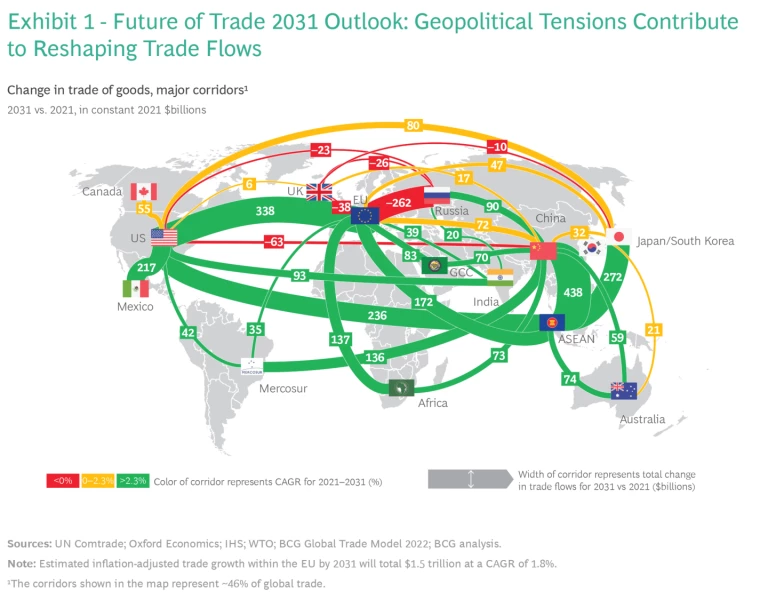
Inflation alone rarely forces structural changes at this scale.
3. Contagion Effects Amplify Impact
Geopolitical events ripple across borders via trade, capital flows, and investor sentiment. The IMF notes that stock returns in other countries drop an average of 2.5% when a major trading partner experiences conflict.
Inflation, in contrast, primarily exerts domestic influence rather than triggering global “shockwaves.”
4. Visibility Is Limited
Inflation is tracked by data and policy tools. Geopolitical risk is less quantifiable and often only evident once events unfold. For example, the BlackRock Investment Institute developed a Geopolitical Risk Indicator (BGRI) to measure market attention to these threats. (BlackRock)
This invisibility makes geopolitical risk a frequent blind spot in investment strategies.
Real-Life Examples of Geopolitical Risk
Example A: Supply-Chain Shock
A global electronics company depends on semiconductors from a single region. A conflict in that region triggers production cuts and export bans. Costs rise, margins shrink, and stock prices fall—even if inflation is moderate.
Example B: Government Debt and Investor Retrenchment
Sanctions force a country’s borrowing costs higher. Investors sell off holdings, the currency weakens, and domestic interest rates rise. International bondholders experience losses unrelated to inflation.
Example C: Tariff Escalation
Tariffs rise between the U.S. and a major trading partner. Export-oriented companies’ margins are compressed, global equity funds drop, and market sentiment sours. Inflation may remain steady, but equity shocks are immediate.
Practical Takeaways for Investors
- Expand your risk model: Include geopolitical scenarios like trade collapses, energy disruptions, and regional conflicts.
- Diversify globally: Avoid overexposure to one region or single supply-chain node.
- Include resilience assets: Companies with localized operations or sectors like defense and cybersecurity can buffer your portfolio.
- Monitor geopolitical indicators: Use dashboards, indices, and real-time news alerts to stay informed. (BlackRock BGRI)
- Stress-test portfolios: Evaluate exposure to tariffs, conflicts, and supply-chain disruptions, not just inflation.
- Maintain liquidity: Flexibility and cash reserves provide protection against sudden market regime shifts.
- Educate assumptions: Recognize that geopolitical events are more frequent and impactful than many investors anticipate.
Frequently Asked Questions (FAQ)
Q1: What counts as geopolitical risk for my portfolio?
Includes international conflicts, trade wars, sanctions, shifting alliances, nationalization of industries, export restrictions, cyber-attacks, and supply-chain breakdowns.
Q2: Isn’t inflation still the biggest risk right now?
Inflation matters, but geopolitical events can trigger sharper, broader disruptions than inflation shocks alone.
Q3: How do geopolitical events affect stocks and bonds?
Advanced economies’ stock prices drop ~1% on average; emerging markets can see ~5% declines. Bond yields and sovereign-risk premiums also rise. (IMF)
Q4: Can I hedge geopolitical risk like inflation?
No. Hedging requires geographic diversification, resilient business models, liquidity, and alternative assets like defense or infrastructure.
Q5: Are some industries more vulnerable?
Yes. Tech, manufacturing, energy, and export-heavy sectors are highly exposed. Utilities and domestic-oriented firms may be safer. (MSCI)
Q6: How do I know when geopolitical risk is rising?
Monitor news-based indices, tariff announcements, trade disputes, and geopolitical risk dashboards.
Q7: Should I move all investments to cash?
No. Cash protects from immediate shocks but exposes you to inflation and opportunity costs. Resilient diversification is more effective.
Q8: Does currency risk matter?
Yes. Geopolitical shifts affect currencies; safe-haven currencies may strengthen while others weaken.
Q9: How does this compare to inflation risk long-term?
Inflation is gradual and measurable; geopolitical risk is unpredictable, disruptive, and can cause structural market changes.
Q10: What long-term changes should investors expect?
Expect fragmented trade systems, regional alliances, reshoring of supply chains, stricter regulations, and higher risk premiums for politically volatile regions.
Final Thoughts
Geopolitics now pose the primary risk to investments, often exceeding inflation. Rapid changes in alliances, trade, supply chains, and regulatory environments can create shocks across all asset classes. Investors who recognize and prepare for these risks position themselves to protect wealth and seize opportunities in a volatile global economy.
Remember: Your portfolio isn’t just an inflation hedge—it must be a geopolitical resilience machine.