
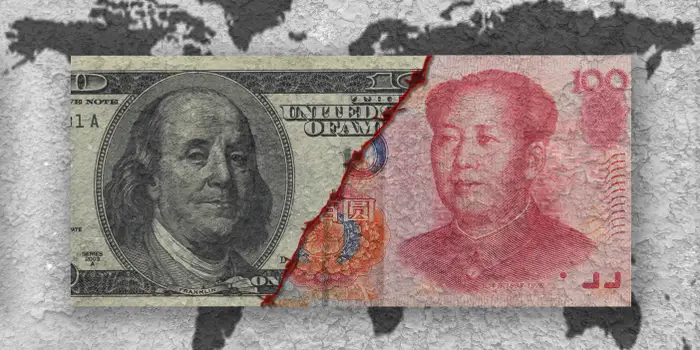
The U.S. dollar has long been the undisputed king of global finance—but that dominance is no longer unchallenged. A rising contender, China’s yuan (Renminbi), is strategically positioning itself as the next major global currency. This article breaks down the hidden dynamics reshaping currency power, what this shift means for Americans’ wallets, and how to prepare for the coming monetary realignment.
Why the World Is Asking: “Could a Country Really Displace the U.S. Dollar?”
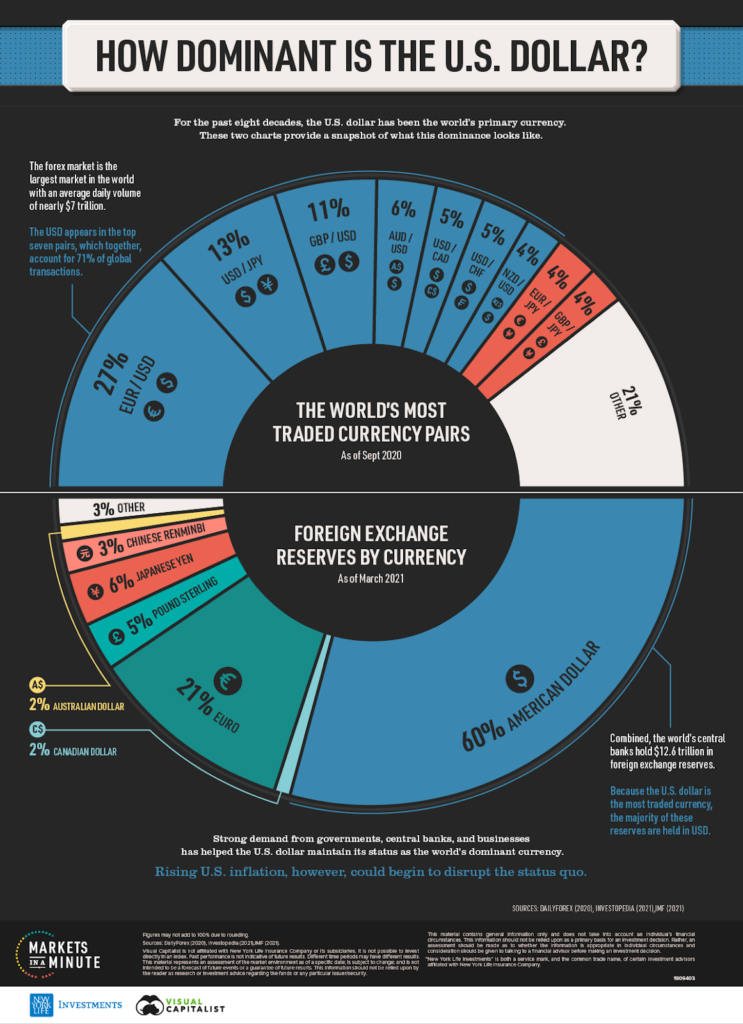
For nearly eight decades, the U.S. dollar has served as the backbone of global trade, financial reserves, and international investment. The greenback is used in roughly 88% of all foreign exchange transactions worldwide, and according to the IMF, it makes up about 58% of official global reserves.
This dominance gives the U.S. a unique privilege—cheaper borrowing costs, global demand for its debt, and unparalleled influence over global finance.
But cracks are beginning to show. Nations are diversifying their reserves, seeking “de-dollarization” strategies, and questioning whether the U.S. dollar should continue to serve as the world’s central monetary anchor.
Several factors drive this change:
- Geopolitical tensions (especially U.S.–China relations).
- Sanction risks for countries using dollar systems.
- The rise of digital and regional payment systems.
- Global inflation and fiscal instability post-pandemic.
In short, the world is quietly testing alternatives—and one nation stands out as the most determined challenger.
🇨🇳 Which Country Is Poised to Challenge the Dollar’s Supremacy?
While many currencies (the euro, yen, and even digital assets like Bitcoin) have attempted to chip away at the dollar’s dominance, China’s yuan (RMB) is the most serious and organized contender.
Why China Is the Leading Challenger:
- Massive Trade Network: China is the world’s largest trading nation, involved in over 130 bilateral currency swap agreements that promote yuan-based settlement.
- CIPS vs SWIFT: China has developed its own international payment infrastructure—CIPS (Cross-Border Interbank Payment System)—as an alternative to the Western-dominated SWIFT network.
- Digital Yuan (e-CNY): The Chinese government has already launched a central bank digital currency (CBDC) used in pilot cross-border transactions, bypassing traditional banking routes.
- Belt and Road Initiative (BRI): Many developing nations within this massive global infrastructure network now conduct trade in yuan rather than dollars.
- Gold Accumulation: China has quietly increased its gold reserves, a strategic hedge that strengthens its long-term monetary credibility.
The Catch: Why the Yuan Isn’t There Yet
Despite its ambition, China’s currency still faces major challenges:
- The yuan isn’t fully convertible; capital controls remain strict.
- Investor trust is limited due to a lack of transparency in Chinese financial reporting.
- China’s financial markets are less liquid compared to U.S. Treasury markets.
In short, the yuan is on the rise—but not yet ready to dethrone the dollar. Still, the direction of momentum is what investors and policymakers are watching closely.
What Does This Mean for Your Wallet?
Even if this transition unfolds gradually, it carries very real implications for American consumers, investors, and businesses.
1. Borrowing Costs Could Rise
If global demand for dollars declines, the U.S. may need to offer higher interest rates to attract buyers for its debt. This could push up borrowing costs on mortgages, credit cards, and business loans.
2. Imported Goods May Get More Expensive
A weaker dollar makes imported goods—from electronics to vehicles—costlier. Inflation could rise even if domestic supply chains remain stable.
3. Investments May Shift Globally
U.S. investors could face lower returns from dollar-denominated assets. Conversely, exposure to international markets or foreign currencies might gain appeal.
4. Travel and Remittances May Fluctuate
A weaker dollar affects how much you pay when traveling abroad or sending money internationally.
5. Trade Balance Dynamics Will Change
American exporters could benefit from a weaker dollar (their goods become cheaper abroad), but import-dependent sectors may suffer.
Real-World Examples: Signs of a Global Currency Shift
🔹 Case Study 1: Argentina & Brazil
In 2023, Argentina began paying for Chinese imports in yuan rather than dollars, while Brazil signed an agreement allowing trade settlements in local currencies. These moves reduce dependency on U.S. financial intermediaries.
🔹 Case Study 2: Russia & BRICS Nations
Following Western sanctions, Russia and other BRICS countries (Brazil, India, China, South Africa, and soon Saudi Arabia) have actively discussed creating a new settlement currency—possibly linked to gold or digital tokens.
🔹 Case Study 3: Central Banks Diversify Reserves
The IMF notes that the dollar’s share of reserves has fallen steadily from 71% in 1999 to around 58% today—proof that central banks are quietly diversifying.
These examples don’t yet signal the dollar’s collapse—but they prove that the monopoly it once enjoyed is slowly eroding.
What to Watch Next: Key Indicators of a Currency Shift
Keep an eye on these metrics—they often reveal major changes before headlines do:
- 📉 Declining share of global reserves held in USD.
- 💹 Increasing global trade invoiced in yuan.
- 🏦 Expansion of China’s CIPS payment network.
- 🌐 BRICS currency initiatives or digital settlement systems.
- 💰 Central banks buying more gold (especially China).
- 📈 The yuan’s growing role in energy and commodity pricing (e.g., “petroyuan” deals).
10 Frequently Asked Questions (FAQs)
1. Could the U.S. dollar really lose its reserve currency status?
Not overnight—but gradually, yes. The dollar’s share of global reserves is shrinking, and new systems like CIPS show that countries are building non-dollar options.
2. Why is China pushing so hard to replace the dollar?
China wants greater monetary independence and protection from U.S. sanctions. It also aims to elevate the yuan’s status to match its economic power.
3. What is “de-dollarization,” exactly?
It refers to countries reducing their reliance on the U.S. dollar in trade, finance, and reserves—using local or regional currencies instead.
4. What happens to the U.S. economy if the dollar loses dominance?
It could face higher inflation, rising interest rates, and reduced geopolitical leverage. However, the U.S. still has deep capital markets and unmatched financial trust.
5. Is the euro or yen a bigger threat than the yuan?
No. The euro and yen have limited global reach outside their regions. China’s economy and influence make the yuan a more formidable challenger.
6. Will the digital yuan replace the U.S. dollar in the future?
Unlikely soon—but China’s central bank digital currency could reshape cross-border payments, especially in Asia and Africa.
7. How can U.S. investors protect themselves?
Diversify assets across currencies, monitor inflation trends, consider gold or foreign ETFs, and avoid overexposure to dollar-dependent sectors.
8. Could cryptocurrency become the real “next dollar”?
Digital assets may play a complementary role, but they lack state backing and stability. Governments remain cautious about full crypto adoption.
9. How are global institutions reacting?
The IMF, BIS, and World Bank are studying multi-currency frameworks and digital settlement systems to manage future volatility.
10. What should the average American do right now?
Stay informed, budget for potential inflation, lock fixed-rate loans, and explore diversified investment options. This shift will unfold over years—not months.
Practical Takeaways for Americans
- Diversify early: Don’t keep all your wealth dollar-bound.
- Stay informed: Monitor currency news—especially IMF, BIS, and BRICS developments.
- Think global: Exposure to emerging markets could offer upside during currency transitions.
- Plan for inflation: Keep inflation-protected assets like TIPS or commodities in your portfolio.
- Budget smarter: If the dollar weakens, imported essentials may rise in cost—adjust accordingly.
The Bottom Line: Trust, Scale, and Time Still Favor the U.S.—for Now
The surprising country challenging the U.S. dollar is no secret—it’s China. Through trade expansion, digital innovation, and strategic alliances, Beijing is constructing an alternative global financial network.
But remember: the dollar’s dominance rests on three pillars—trust, liquidity, and time.
It will take more than ambition to replace them.
Still, change is coming. And while the U.S. dollar may remain the world’s reserve currency for years, the foundations beneath it are shifting.
For ordinary Americans, that means staying alert, diversified, and ready—because when currencies move, your wallet always feels it first.