
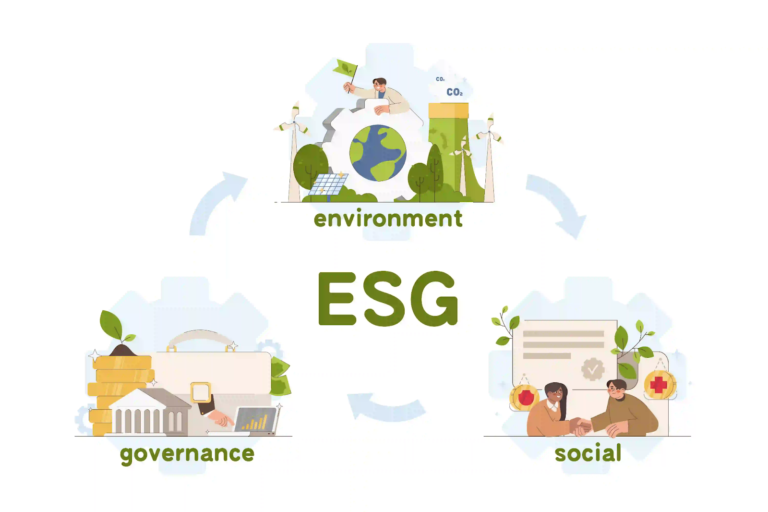
Sustainable investing is booming as investors seek returns that align with environmental and social responsibility. Yet, experts warn that “green” investments may carry hidden risks, including underperformance, greenwashing, and regulatory uncertainties. This article examines the complexities of sustainable investing, provides real-life examples, and delivers actionable strategies for navigating the evolving ESG landscape.
What Is Sustainable Investing and Why Is Everyone Talking About It?
Sustainable investing, often referred to as ESG (Environmental, Social, and Governance) investing, aims to generate financial returns while promoting positive environmental and social outcomes. In the U.S., ESG-focused assets reached $17 trillion in 2023, representing nearly one-third of all professionally managed assets (US SIF Foundation, 2023).
While popular among millennials and Gen Z, sustainable investing is more complex than simply choosing companies with “green” labels. Investors need to understand performance risks, fees, and regulatory nuances before diving in.
1. The Green Appeal: Why Investors Are Drawn to ESG
Investors are motivated by multiple factors:
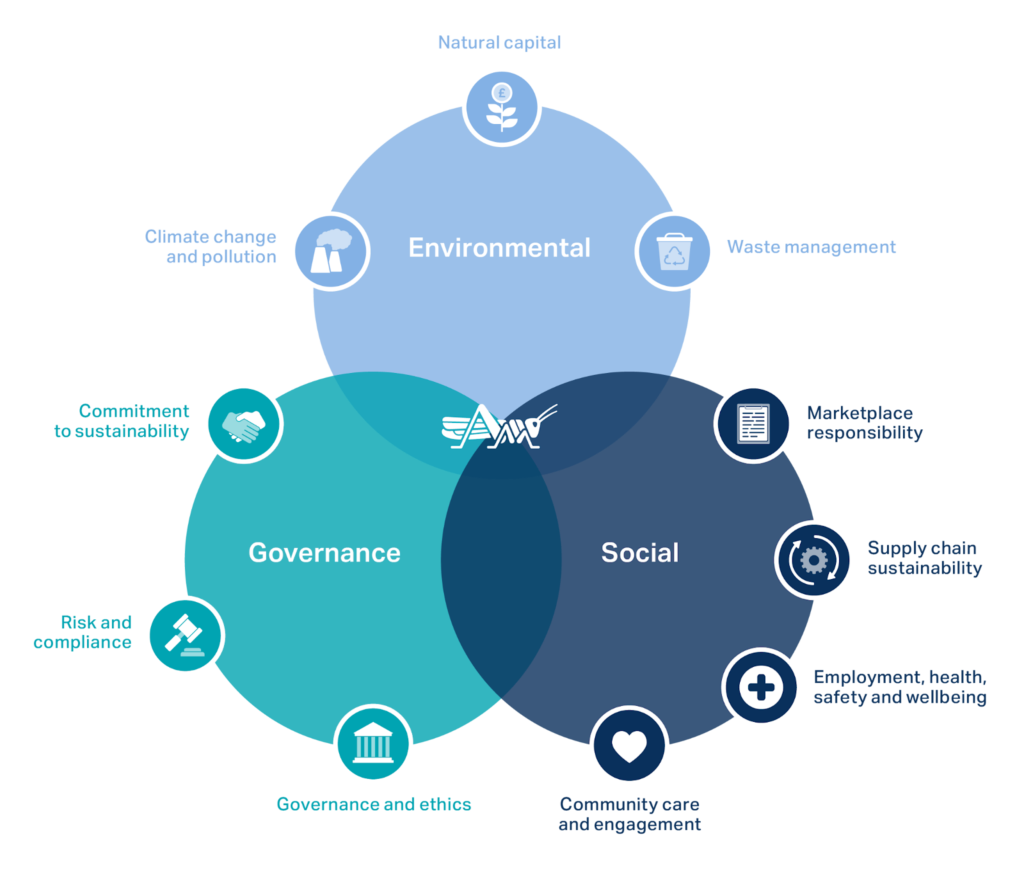
- Environmental Impact: Supporting renewable energy, clean technologies, and carbon reduction initiatives.
- Social Responsibility: Investing in companies with strong labor practices, diversity initiatives, and community engagement.
- Governance Standards: Prioritizing companies with transparent leadership and anti-corruption policies.
Real-life example: Patagonia’s commitment to sustainability and employee welfare has driven strong brand loyalty and, for some investors, made its stock an attractive choice for ESG-focused portfolios.
Pointers:
- Research company ESG ratings via trusted agencies (MSCI ESG, Sustainalytics).
- Align ESG investments with your values while considering financial goals.
- Track fund fees; ESG funds can sometimes have higher expense ratios than traditional investments.
2. Greenwashing: The Hidden Risk of False ESG Claims
Why It Matters
Not all “green” funds live up to their promises. Greenwashing occurs when companies or funds exaggerate sustainability credentials to attract investors without delivering measurable impact.
Real-life example: A 2022 analysis found that 25% of ESG-labeled funds had significant holdings in companies that contradicted their ESG claims, such as fossil fuel producers.
Pointers:
- Check third-party ESG ratings.
- Look for funds with transparent reporting on environmental outcomes.
- Avoid funds that rely solely on self-reported company data.
3. Financial Performance: Myth vs. Reality
Why It Matters
A common misconception is that sustainable investments underperform. Research shows mixed results:
- Morningstar (2023) reports that some ESG funds match or exceed traditional index returns, especially in renewable energy and tech sectors.
- Conversely, some ESG funds underperform due to sector biases or limited diversification.
Real-life example: During the 2021–2022 energy surge, heavily renewable-focused portfolios outperformed oil-heavy indices, but diversified ESG funds saw volatility when tech stocks dipped.
Pointers:
- Consider long-term horizon and diversification.
- Compare ESG fund performance against traditional benchmarks.
- Avoid funds that rely solely on “green themes” without strong fundamentals.
4. Regulatory and Disclosure Challenges
The ESG landscape is evolving, and investors must navigate regulatory uncertainties:
- The SEC is introducing stricter ESG disclosure requirements, including proof of environmental impact.
- Companies may need to standardize ESG reporting, affecting fund rankings and investor decisions.
Real-life example: Several ESG funds adjusted portfolios after the SEC required proof of climate-related claims in 2023, leading to short-term volatility.
Pointers:
- Stay updated on ESG regulations.
- Consult with financial advisors to assess regulatory risks.
- Prioritize funds with transparent reporting practices.
5. The Social Dimension: Beyond Environmental Impact
ESG is not just about the environment. Social and governance factors significantly affect company performance:
- Employee treatment, diversity policies, and labor rights influence reputation and long-term profitability.
- Governance failures, such as fraud or board conflicts, can offset environmental gains.
Real-life example: A 2022 study showed companies with higher diversity in leadership outperformed peers in profitability by 36% over five years (McKinsey, 2022).
Pointers:
- Evaluate social and governance scores alongside environmental metrics.
- Avoid companies with ESG compliance only on paper.
- Seek funds that balance all ESG dimensions for holistic risk management.
6. Sustainable Investing in Practice: Strategies for Smart Investors
Key Approaches
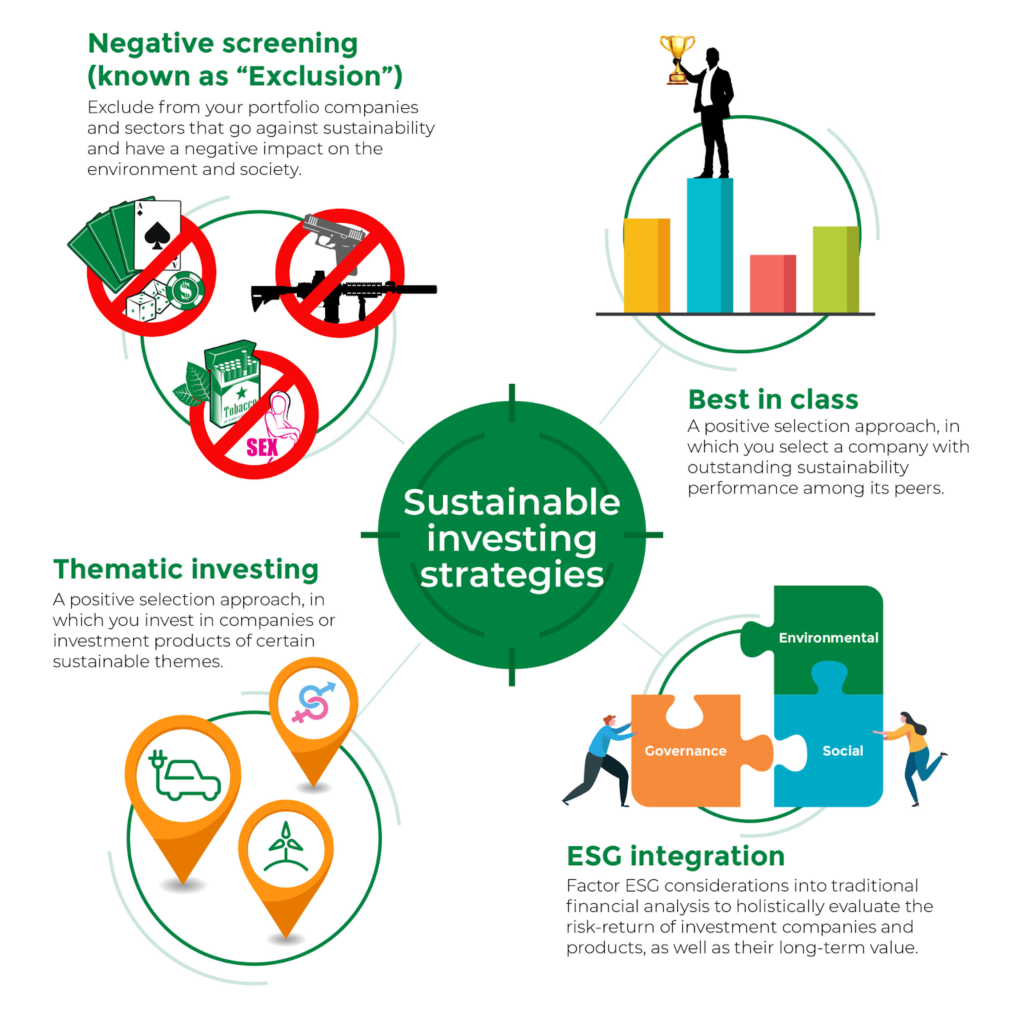
- Thematic Investing: Focus on sectors like clean energy, sustainable agriculture, or water management.
- Impact Funds: Invest in projects with measurable social/environmental outcomes.
- Integration Strategy: Blend ESG criteria into broader diversified portfolios.
Real-life example: Vanguard’s ESG U.S. stock fund integrates sustainability screening without sacrificing broad market exposure, balancing growth and ESG values.
Pointers:
- Align investment strategy with both financial and ethical goals.
- Use dollar-cost averaging to reduce market volatility impact.
- Regularly review fund composition and ESG scores.
7. Common Pitfalls and How to Avoid Them
Top Mistakes
- Relying on Labels: Not all ESG-labeled funds deliver true impact.
- Ignoring Fees: ESG funds may have higher expense ratios.
- Over-Concentration: Investing only in “green” sectors may increase volatility.
- Neglecting Fundamentals: Financial health matters more than ESG narrative alone.
FAQs – What Americans Are Asking About Sustainable Investing
- Is sustainable investing profitable?
Research shows ESG funds can match or sometimes exceed traditional fund performance. - What is greenwashing?
Greenwashing is when companies or funds exaggerate sustainability claims without real impact. - Should I invest in ESG funds for retirement?
ESG funds can fit retirement portfolios, but consider diversification and fees. - Are ESG funds riskier than traditional funds?
Risks exist, especially due to sector concentration or regulatory changes. - How do I verify ESG claims?
Use independent rating agencies like MSCI, Sustainalytics, and fund disclosures. - Do ESG investments reduce carbon footprint?
They can, but impact varies widely depending on fund strategy. - Can ESG investing be part of tax planning?
Yes, just like traditional investments, you can leverage tax-advantaged accounts. - Which sectors benefit most from sustainable investing?
Renewable energy, electric vehicles, sustainable agriculture, and clean technology. - Is ESG investing only for millennials and Gen Z?
No; investors of all ages use ESG to align portfolios with values. - How do I avoid common ESG mistakes?
Conduct due diligence, review fund performance, check ratings, and avoid over-reliance on labels.
Actionable Takeaways
- Do not rely solely on ESG labels; check independent ratings.
- Balance sustainability goals with financial fundamentals.
- Diversify across sectors to reduce risk.
- Stay informed about regulatory changes impacting ESG reporting.
- Integrate ESG investing into a long-term, diversified financial plan.
–xxx–
Video link – Yannik Bofinger – The sustainability trap