
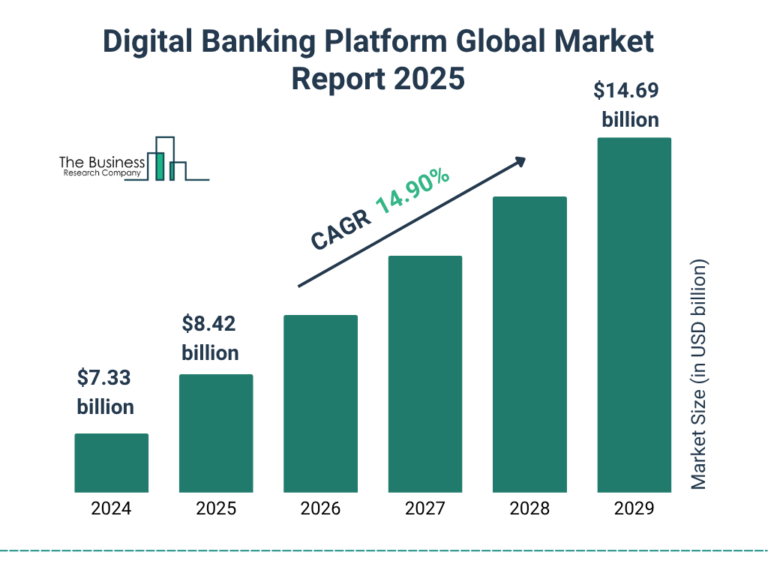
In 2025, global finance is undergoing a sweeping transformation—driven by digital innovation, evolving banking models, and rising geopolitical and economic risk. The shifts weren’t fully discussed during your last bank visit. Understanding themes like AI-driven finance, supply-chain fragility, sovereign debt stress, and regulatory realignment will give you a strategic edge with your money, investments, and financial planning.
1. What Are the Big Global Finance Trends of 2025?
1.1 Digital-First Finance and the Role of AI & Data
The 2025 global finance trends report from Protiviti shows that 72 % of finance leaders now use AI tools for forecasting, risk assessment, and automation—up from 34 % just a year ago (Protiviti).
Why it matters to you: Banks and financial institutions are changing how they assess risk, price loans, and manage investments. AI-driven insights may affect your savings rates, credit terms, and investment product offerings, even if you don’t see it directly.
1.2 Banking Under Pressure: Precision Over Scale
According to the McKinsey & Company “Global Banking Annual Review 2025,” successful banks will rely on precision—not just size—through data, operational efficiency, and tailored offerings (McKinsey).
What it means for you: Banks may reduce legacy services, focus on digital-first solutions, or adopt modular offerings. Your bank’s approach to loans, investment products, or fees could shift subtly, but significantly.
1.3 Trade, Supply-Chain, and Finance Integration
The United Nations Conference on Trade and Development (UNCTAD) reports that world trade expanded ~4 % in H1 2025, but the underlying growth was only 2.5–3 % after removing pre-emptive front-loading effects (UNCTAD).
Why this affects your money: Credit risk, investment returns, and currency exposure are all influenced by supply-chain health. If trade slows or shifts, financial institutions and borrowers—including you—may experience indirect impacts.
1.4 Regulatory & Geopolitical Fragmentation
Global finance is no longer uniform. New payment systems, digital currencies, and regional financial blocs are emerging (arxiv.org).
Implication for you: Cross-border payments, currency stability, access to financial products, and even banking partnerships may change faster than traditional guidance suggests.
1.5 Sovereign Debt, Cost of Capital & Fiscal Dynamics
Global debt has reached record levels, increasing risk in bond markets, currencies, and equities (Reuters).
Takeaway: Interest rates, credit spreads, and country risk are moving unpredictably. Banks may pass these costs or risks onto customers, affecting everything from loans to investment options.
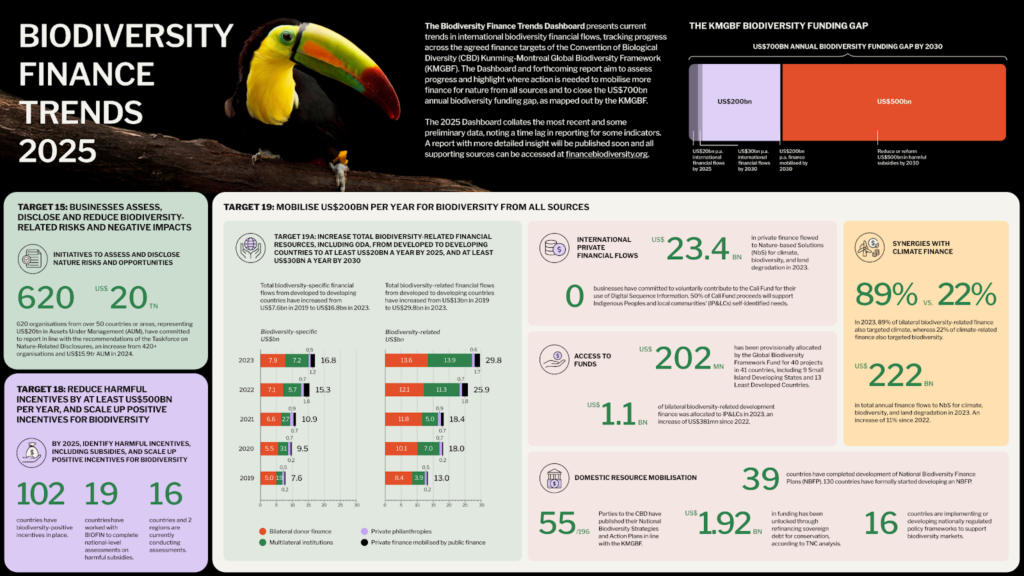
2. What They Didn’t Tell You at the Bank — Hidden Implications
Banks typically emphasize deposit rates, mortgage rates, and loan products. But major 2025 trends introduce hidden implications:
- Savings accounts: Rates may appear stable, but bank operational costs (AI, compliance, digital infrastructure) can affect future offerings.
- Investment products: Many assume steady trade and growth. If supply-chains fragment or trade slows, returns may diverge from expectations.
- Currency exposure: Cross-border finance is shifting, which could impact dollar, euro, or other currency-denominated holdings.
- Credit costs: Rising sovereign debt increases banks’ funding costs, potentially raising margins or tightening credit access.
- Digital services: Emergent fintech solutions and digital banking could make legacy services less accessible or introduce new fees.
3. Real-Life Examples You Should Understand
Example A: A Savers’ Story
Sarah maintains a high-yield savings account in a U.S. regional bank that invests in emerging-market debt. Rising sovereign debt ($109 trillion in emerging markets) may increase the bank’s cost of funds, shrinking margins and potentially affecting her rates (Reuters).
Example B: An Investor’s Portfolio
David invests in global equity funds assuming steady global trade. If growth slows to 2.5–3 % and regional supply-chains realign (UNCTAD), sectors like logistics and manufacturing may underperform, impacting portfolio returns.
Example C: Mortgage & Credit Client
Linda holds a ten-year fixed mortgage. Her bank adopts AI-driven risk tools, digital processes, and compliance-heavy operations (Protiviti). Even though her rate is fixed, changing bank strategies may affect future product offerings, fees, or services.
4. What Americans Are Asking About Global Finance Trends
- What major finance trends for 2025 are banks not discussing?
- How will AI and digital tools change banking services and loans?
- Will supply-chain disruptions affect savings or investment products?
- Is a global trade slowdown a risk to investment returns?
- How does rising sovereign debt impact personal finances?
- What is the effect of regulatory and geopolitical shifts on banking?
- Should I diversify currencies or banking institutions?
- How can I protect my money amid banking transformations?
- What questions should I ask my bank that others overlook?
- Which sectors will benefit from 2025 finance trends?
5. Key Takeaways & Practical Advice
- Diversify banking relationships and currencies
- Ask your bank about digital-finance strategy and implications
- Review your portfolio for trade, supply-chain, and debt exposure
- Stay informed about regulatory and geopolitical shifts
- Maintain liquidity and flexibility
Expanded Guidance:
- Diversify: Use multiple banks with strong digital strategies or fintech partnerships.
- Ask questions: Understand how your bank uses AI, manages trade-risk, and adapts to regulation.
- Portfolio review: Check exposure to trade-sensitive sectors like manufacturing and logistics.
- Regulatory awareness: New regulations may influence fees or product availability.
- Liquidity: Maintain cash or liquid assets for flexibility in a rapidly evolving system.
6. Frequently Asked Questions (FAQ)
Q1: What are the “global finance trends 2025” banks aren’t mentioning?
AI-driven finance, fragmented global trade, rising sovereign debt, digital currencies, and regulatory realignment.
Q2: Will banks change how they manage my savings or investments?
Possibly. Evolving AI and data strategies may affect product costs and risk assessment.
Q3: Does supply-chain slowdown affect my finance options?
Yes. Lower trade growth can indirectly impact credit, investments, and bank performance.
Q4: How significant is AI adoption in finance?
Highly. 72 % of finance organizations use AI for forecasting and risk management (Protiviti).
Q5: Should I switch banks because of these trends?
Evaluate relationships, but moving all funds isn’t necessary. Focus on banks with strong digital strategies and diversified exposure.
Q6: How can I protect investments from global finance risks?
Diversify geographies, maintain liquidity, and prioritize resilient business models.
Q7: Is my 401(k) safe?
Yes, but underlying asset exposure may face risks from trade, debt, and digital disruption.
Q8: Will rising sovereign debt hurt me directly?
Indirectly. Debt stress increases currency, credit, and investment risk.
Q9: Are fintechs and digital banks part of this trend?
Yes. Fintech revenue rose 21 % in 2025, disrupting traditional banking (Economic Times).
Q10: What questions should I ask my bank or advisor now?
Ask about AI usage, trade-risk management, debt exposure, digital currency readiness, and resilience strategies.
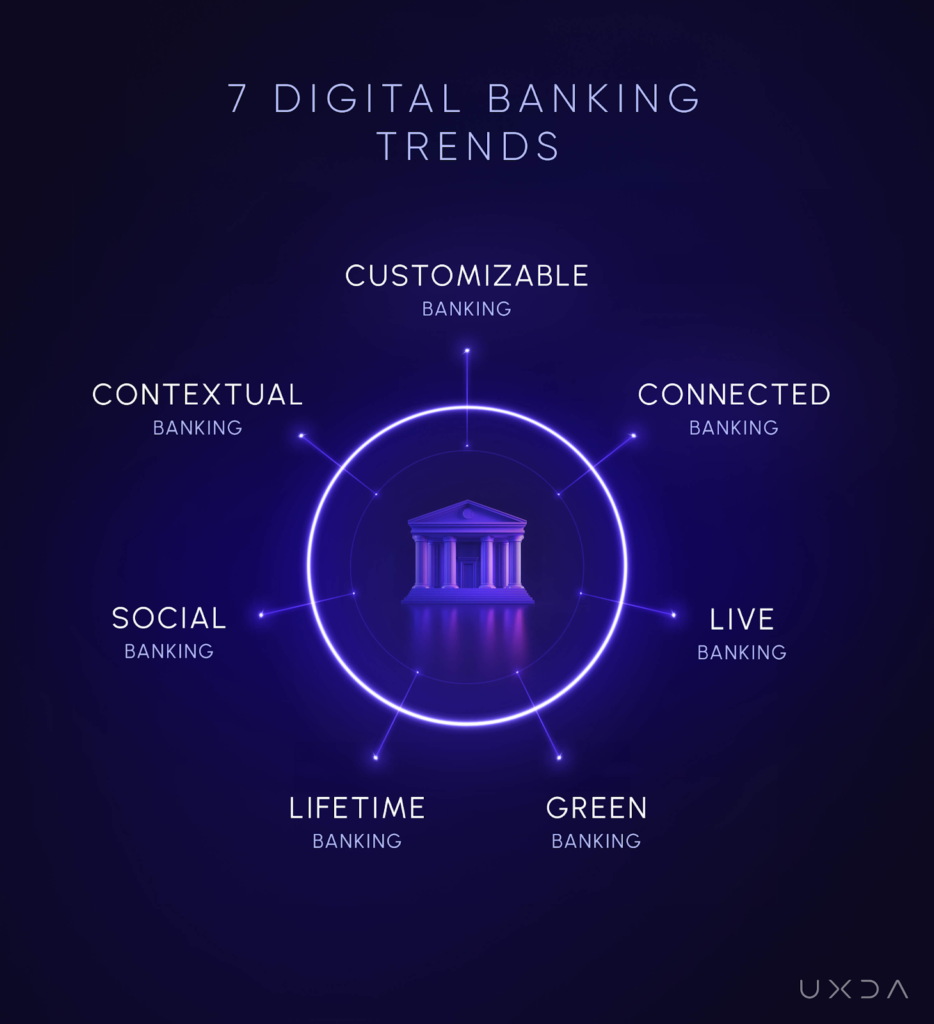
7. Final Thoughts
Banks tend to emphasize interest rates and fees. In 2025, back-office strategies, global trade, technology, and regulation influence your finances just as much. Recognizing these trends allows you to protect your money, make informed investment choices, and prepare for an evolving financial landscape.
The financial battlefield has shifted. Thriving requires awareness, proactive engagement, and diversified strategy—not just trusting traditional bank advice.