
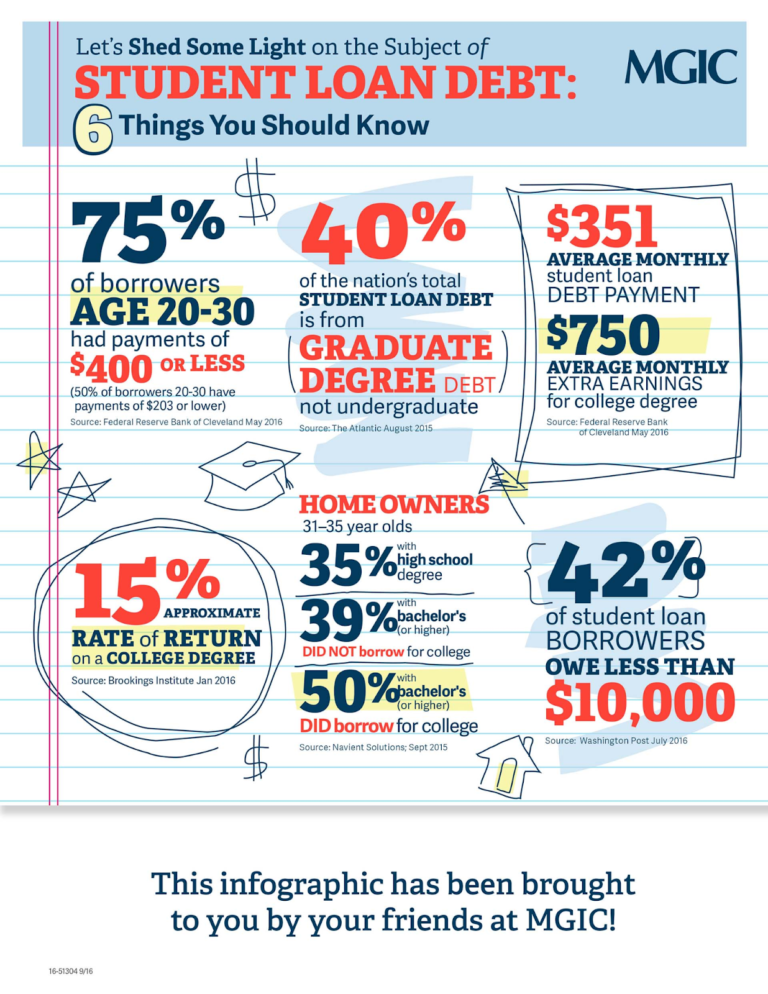
Student loan defaults in the U.S. are climbing at alarming rates, threatening financial stability for millions of borrowers. Beyond personal credit damage, the ripple effects impact the housing market, retirement savings, and broader economic growth. This article explores why defaults are surging, real-life consequences, and practical strategies to navigate and protect yourself from financial fallout.
Why Student Loan Defaults Are Spiking
The U.S. Department of Education reports that over 11% of federal student loans are currently in default, with certain demographics, particularly low-income borrowers and for-profit college attendees, disproportionately affected. The end of pandemic-era relief programs in 2023 is projected to trigger a significant wave of defaults in the coming months.
Several factors contribute to this trend:
- Rising tuition costs: College costs have increased more than 25% over the past decade, outpacing wage growth.
- High-interest rates: Federal loan interest rates range from 4% to 7%, adding hundreds to thousands in interest annually.
- Limited financial literacy: Many borrowers underestimate repayment obligations and long-term impacts.
Real-life example: Sarah, a 28-year-old marketing graduate, defaulted after her post-pandemic salary stagnated. Her credit score dropped by 100 points, limiting her ability to secure an apartment and auto loan.
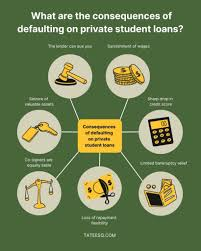
How Defaults Affect Your Financial Life
1. Credit Score Damage
Defaulting on a student loan can drop your credit score by 100 points or more, affecting:
- Mortgage eligibility
- Car loan rates
- Credit card approvals
2. Wage Garnishment & Tax Refund Seizure
Federal authorities can garnish wages and intercept tax refunds for defaulted loans. In 2023, an estimated $2 billion in tax refunds were seized from defaulted student loan borrowers.
Pointers:
- Enroll in income-driven repayment plans to avoid garnishment.
- Keep your contact info updated with loan servicers to receive notices promptly.
The Broader Economic Impact
Rising defaults can impact more than individuals. Economists warn that defaults can slow home buying, reduce retirement savings, and contribute to long-term wealth inequality.
Real-life example: In cities like Detroit and Cleveland, defaulted student loans correlate with lower first-time homeownership rates among young adults.
Pointers:
- Policymakers are considering programs to mitigate defaults without taxpayer burden.
- Monitoring your personal debt-to-income ratio can help maintain economic mobility.
Repayment Options to Avoid Default
1. Income-Driven Repayment Plans (IDR)
IDR plans adjust your monthly payment based on income and family size, potentially lowering payments to as little as $0 per month for those with limited income.
2. Public Service Loan Forgiveness (PSLF)
Eligible public-sector employees may have loans forgiven after 10 years of qualifying payments, but documentation and eligibility verification are critical.
3. Deferment and Forbearance
Temporary relief programs allow postponing payments, though interest may continue accruing.
Pointers:
- Always notify your loan servicer before missing payments.
- Track all documentation if applying for forgiveness programs.
- Consider refinancing only if you have a stable income and excellent credit.
Warning Signs You Might Be Heading Toward Default
- Missing two or more consecutive payments
- Ignoring loan servicer communications
- Relying on credit cards to pay loan interest
- Experiencing unexpected income loss
Real-life example: Mike, a 32-year-old engineer, ignored small missed payments, assuming he could “catch up later.” After six months, he entered default, incurring penalties and late fees that doubled his balance.
Strategies to Protect Your Financial Future
- Create a repayment roadmap: Know your total debt, interest rates, and repayment schedule.
- Budget for loans first: Prioritize student loan payments over discretionary spending.
- Automate payments: Prevent late fees and missed payments.
- Seek professional help: Certified financial planners or nonprofit credit counselors can guide you.

FAQs – Borrowers’ Top Questions About Student Loan Defaults
- What happens if I default on my student loan?
Your credit score drops, wages can be garnished, and federal benefits can be intercepted. - Can defaulted loans be rehabilitated?
Yes, through loan rehabilitation programs that require consistent payments over 9–10 months. - Does bankruptcy erase student loans?
Typically, no; student loans are rarely dischargeable without proving undue hardship. - How long does a default stay on my credit report?
Up to 7 years, affecting borrowing capacity. - Can I refinance my defaulted loan?
Only after rehabilitation or consolidation; requires proof of consistent payments. - What is wage garnishment for student loans?
The government can withhold up to 15% of disposable income to repay defaulted loans. - Are there forgiveness programs for private loans?
Generally, no; forgiveness programs primarily apply to federal loans. - How can I avoid default if unemployed?
Apply for deferment, forbearance, or income-driven repayment plans immediately. - Will a default affect my mortgage application?
Yes, lenders may view default as a risk, affecting approval and interest rates. - Is there a statute of limitations on federal student loan debt?
No; federal loans can be collected indefinitely.
Key Takeaways for Borrowers
- Don’t ignore small missed payments—they escalate quickly.
- Explore repayment options like IDR, PSLF, and deferment to prevent default.
- Maintain communication with your loan servicer.
- Consider professional financial counseling for long-term planning.
- Monitor credit regularly and adjust budgets to prioritize loan payments.