
A personal loan can either boost your credit score or quietly sabotage it—depending entirely on how it’s used. This in-depth guide explains the smartest personal loan strategies Americans use to improve credit scores, reduce debt faster, and regain financial control. Learn when personal loans help, when they hurt, and how to use them responsibly for long-term credit health.
Why Personal Loan Strategy Matters More Than the Loan Itself
Personal loans have become one of the fastest-growing forms of consumer credit in the United States. According to the Federal Reserve, outstanding personal loan balances have grown steadily over the last decade as Americans search for flexible ways to manage debt, emergencies, and major expenses.
Yet despite their popularity, personal loans are often misunderstood. Many borrowers focus solely on approval speed or monthly payment amounts, without realizing how dramatically their loan decisions can impact their credit score—sometimes for years.
Your credit score is no longer just a number used by banks. It affects:
- Mortgage and auto loan interest rates
- Rental applications and housing approvals
- Insurance premiums in many states
- Job background checks in certain industries
A smart personal loan strategy can become a credit-building ally. A careless one can become a long-term financial obstacle.
How Personal Loans Impact Your Credit Score
To understand whether a personal loan helps or hurts, you must understand how credit scores work.
The most commonly used model, FICO, evaluates five factors:
- Payment History (35%) – Whether you pay on time
- Credit Utilization (30%) – How much revolving credit you use
- Length of Credit History (15%) – How long accounts stay open
- Credit Mix (10%) – Variety of credit types
- New Credit (10%) – Recent inquiries and accounts
Personal loans are installment loans, meaning they have fixed payments and a defined payoff schedule. This structure alone can be beneficial—if managed correctly.
Real-Life Example
Emily, a 29-year-old marketing professional in Florida, had a credit score of 648 due to maxed-out credit cards. She took out a personal loan to consolidate her balances, cut her credit utilization from 78% to under 25%, and committed to automatic monthly payments. Within 10 months, her score rose to 711, qualifying her for better financial products across the board.
Is Using a Personal Loan to Build Credit Actually a Good Idea?
The short answer: Yes—but only with intention and discipline.
A personal loan can help build credit when it replaces high-interest, revolving debt and creates a predictable repayment structure. However, when used for unnecessary spending or without a plan, it can quickly damage your credit profile.
When a Personal Loan Helps Your Credit
- You use it to pay off credit cards
- Your payment fits comfortably into your budget
- You make every payment on time
- You avoid taking on new debt during repayment
When It Hurts Your Credit
- Payments are late or missed
- You apply for multiple loans at once
- You borrow more than you truly need
- You continue spending on paid-off cards
The loan itself isn’t the problem—behavior is.
What Is the Best Personal Loan Strategy for Your Credit Score?
The most effective personal loan strategy focuses on credit optimization, not convenience.
The Proven Credit-Positive Strategy
This approach is widely used by financially savvy borrowers and credit counselors:
- Consolidate high-interest credit card balances
- Lock in a fixed interest rate
- Create one predictable monthly payment
- Commit to full repayment without new debt
This strategy works because it addresses two major credit score killers: high utilization and inconsistent payments.
Should You Use a Personal Loan to Pay Off Credit Cards?
This is one of the most searched personal finance questions in the U.S.—and for good reason.
According to recent data, the average credit card APR exceeds 20%, while many personal loans offer significantly lower rates for qualified borrowers.
Why This Strategy Works
- Credit utilization drops immediately
- Interest costs decrease over time
- Monthly budgeting becomes simpler
- Debt payoff timelines shorten
Common Mistake to Avoid
Many borrowers pay off their cards but then continue using them aggressively. This creates even more debt and erases the credit benefits.
Best practice: Pause card usage until balances are fully under control.
Does a Personal Loan Hurt Your Credit at First?
Yes, but usually only temporarily.
When you apply for a personal loan, lenders perform a hard credit inquiry, which may lower your score by 5–10 points. This is normal and expected.
Why the Drop Isn’t Permanent
- Hard inquiries fade over time
- On-time payments quickly offset the dip
- Reduced utilization often outweighs the inquiry
Real-Life Scenario
Marcus, a warehouse manager in Illinois, saw his score dip from 702 to 694 after opening a personal loan. Six months of perfect payments later, his score climbed to 726, putting him in a better credit tier than before.
How Long Does It Take for a Personal Loan to Improve Credit?
Credit improvement is gradual, not instant.
Typical Timeline
- Months 1–2: Minor dip from inquiry
- Months 3–5: Stabilization
- Months 6–9: Noticeable improvement
- Months 10–12: Strong positive impact
Consistency matters far more than speed.
What Credit Score Is Needed for a Good Personal Loan?
While personal loans exist for almost every credit range, better scores unlock better terms.
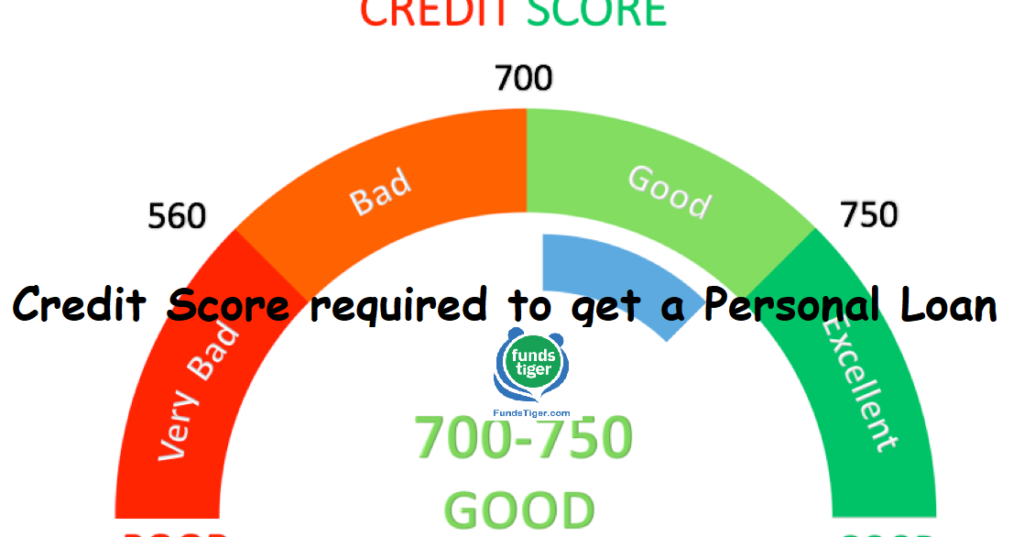
General Credit Score Guidelines
- 760+ – Best interest rates
- 700–759 – Competitive offers
- 640–699 – Higher rates, still workable
- Below 640 – Limited options, caution advised
Borrowers with lower scores should explore credit unions, which often offer more flexible underwriting.
Personal Loan vs Balance Transfer Card: Which Is Better?
There’s no universal winner—it depends on behavior.
Balance transfer cards offer promotional 0% APR periods, but require strict discipline. Personal loans enforce structured repayment, which many borrowers find easier to manage.
Key Differences
- Personal loans offer predictability
- Balance transfers demand strict timelines
- Missed promotions can backfire
Choose the option that fits your habits—not just the lowest rate.
Common Personal Loan Mistakes That Damage Credit Scores
Even responsible borrowers make costly errors.
Mistakes to Avoid
- Borrowing without a repayment plan
- Taking more than needed
- Ignoring fees and penalties
- Missing payments—even once
- Applying with multiple lenders simultaneously
A single mistake can undo months of progress.
How to Choose a Credit-Friendly Personal Loan
Not all lenders are equal.
Look for Loans That Offer
- Transparent APRs
- No hidden origination fees
- Flexible repayment terms
- Strong customer reviews
- Soft prequalification checks
According to CFPB data, borrowers who compare multiple lenders save over $1,000 on average over the life of a loan.
Is a Personal Loan Better Than Doing Nothing?
For many Americans trapped in high-interest debt, yes.
Minimum payments can quietly cost tens of thousands of dollars in interest over time. A well-planned personal loan can act as a financial reset, but only if paired with disciplined spending habits.
Final Verdict: Is This the Best Personal Loan Strategy for Your Credit Score?
A personal loan is neither inherently good nor bad—it’s a financial tool. Used strategically, it can strengthen your credit profile, lower stress, and open doors to better financial opportunities. Used carelessly, it can delay progress for years.
The best strategy focuses on purposeful borrowing, disciplined repayment, and long-term credit health, not short-term relief.
Frequently Asked Questions (Trending in the U.S.)
1. Can a personal loan increase my credit score?
Ans. Yes. When used responsibly, a personal loan can improve payment history, reduce credit utilization, and strengthen your credit mix.
2. How much does a personal loan lower your credit score initially?
Ans. Typically 5–10 points due to the hard inquiry, which often recovers within a few months.
3. Is it smart to pay off credit cards with a personal loan?
Ans. Yes, especially if it lowers interest rates and simplifies repayment.
4. How fast can a personal loan rebuild bad credit?
Ans. Most borrowers see improvements within 6–12 months with consistent on-time payments.
5. Do personal loans count as good debt?
Ans. They can be if used for consolidation, refinancing, or structured repayment purposes.
6. Does paying off a personal loan early hurt credit?
Ans. No. Early payoff generally helps, though some lenders charge prepayment fees.
7. Can I get a personal loan with a 600 credit score?
Ans. Yes, but interest rates may be higher and terms more restrictive.
8. Are personal loans safer than payday loans?
Ans. Absolutely. Payday loans often trap borrowers in cycles of debt and harm credit.
9. How many personal loans are too many?
Ans. More than one can increase risk unless income and repayment capacity are strong.
10. Should I close credit cards after paying them off with a personal loan?
Ans. Usually no. Keeping them open helps maintain lower credit utilization.