
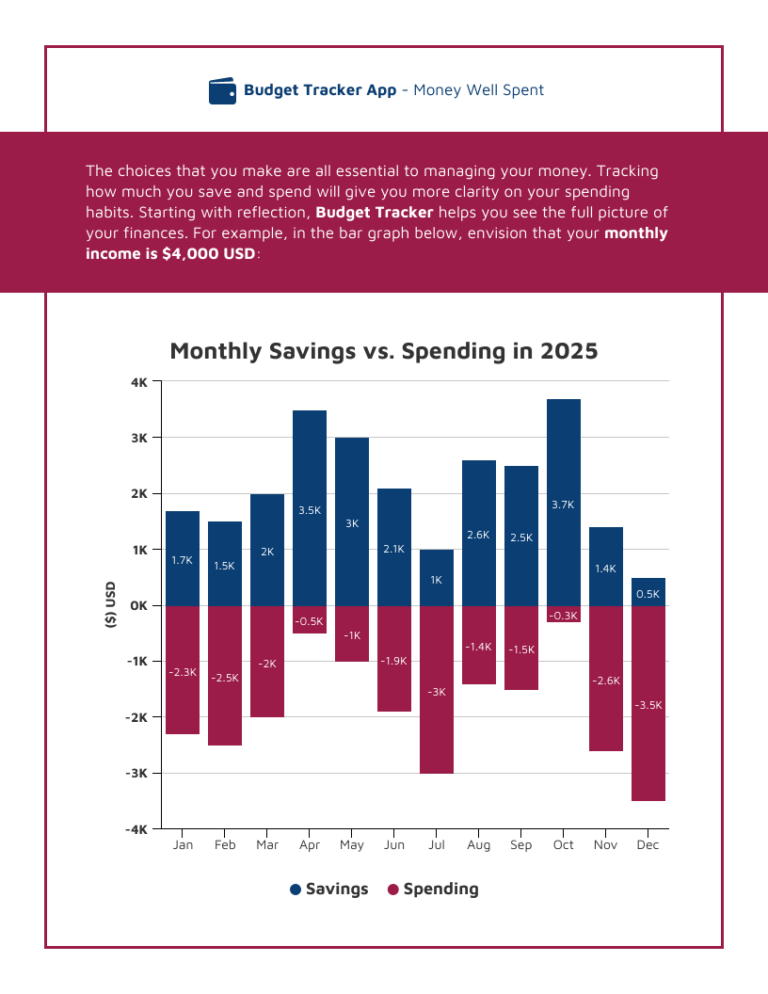
Most Americans struggle with budgeting not because they lack discipline, but because they’ve been taught outdated financial myths. Experts now recommend flexible, adaptive, values-driven budgeting systems that align with real-life needs rather than rigid restrictions. This long-form guide breaks down the most common misconceptions and offers actionable, research-backed strategies to help people build confidence, reduce stress, and take full control of their finances.
Introduction: Why Budgeting Still Feels Hard — Even When You’re Trying
Budgeting has always been one of the most recommended financial habits, yet most people still avoid it—or abandon it shortly after starting. According to a 2024 LendingClub report, 71% of Americans live paycheck to paycheck, regardless of income level. This proves a powerful reality: the problem isn’t people; the problem is the myths surrounding budgeting.
Myths like “budgeting means cutting out fun” or “you must track every dollar manually” create unnecessary stress and discourage people from taking control of their money. Others assume budgeting only works if your income is consistent or that successful budgeting requires perfection. These beliefs simply no longer match the economic landscape of today—where incomes shift, prices fluctuate, and financial priorities evolve.
This guide is designed to dismantle these outdated myths and replace them with expert-recommended practices that work in real-world situations. Whether you’re completely new to budgeting or someone who’s tried repeatedly without success, you’ll find strategies that are flexible, modern, and psychologically supportive.
Myth #1: “A Budget Is Just About Cutting Expenses”
One of the biggest misconceptions is that budgeting exists solely to tell you what you can’t do. Many people avoid budgeting because it feels synonymous with sacrifice.
But modern financial experts argue the opposite: budgeting is about prioritizing what matters most, not eliminating everything enjoyable.
Real-Life Example
Samantha, a 28-year-old teacher, believed budgeting meant giving up coffee runs, date nights, and her weekend brunch ritual. After switching to a values-based budget, she realized she didn’t need to cut joy—just waste. She eliminated unused subscriptions, reduced takeout spending, and reallocated money toward travel. Samantha saved $3,400 in a year without feeling deprived once.
Expert Recommendation
- Identify your top three financial and lifestyle priorities.
- Allocate guilt-free spending money for fun and relaxation.
- Reduce low-value expenses, not meaningful ones.
- Review your spending monthly to make sure it still aligns with your values.
Myth #2: “Budgeting Only Works If Your Income Is Consistent”
This myth affects freelancers, gig workers, contractors, and commission-based earners. A traditional budget assumes consistent cash flow, but modern work life often isn’t predictable.
Real-Life Example
Dylan drives for DoorDash and Uber. When he tried a fixed monthly budget, he constantly felt behind because his income fluctuated. Switching to income averaging, using his lowest three months of earnings as a baseline, created stability. He also built a buffer fund during high-income months to support slower weeks.
Expert Recommendation
- Base your budget on your minimum reliable monthly income.
- Save excess income during strong months to build a financial cushion.
- Use a rolling 30-day budgeting method instead of calendar months.
- Prioritize expenses by importance, not date.
Myth #3: “You Must Track Every Dollar Manually”
Many abandon budgeting because they believe they must track every expense daily using spreadsheets or envelopes. Today’s digital tools make that unnecessary.
Real-Life Example
Jess tried envelope budgeting, but manually updating categories drained her energy. She switched to a 70/20/10 system—70% for living and lifestyle, 20% for savings, 10% for debt—and automated the entire process. Her finances became more organized while requiring minimal effort.
Expert Recommendation
- Automate savings, bill payments, and transfers.
- Use a budgeting app to categorize expenses automatically.
- Spend five minutes reviewing your app weekly—no more.
- Keep categories simple to reduce overwhelm.
Myth #4: “A Budget Must Be Perfect or It Failed”
Perfectionism is one of the biggest reasons people quit budgeting. A budget isn’t meant to be exact; it’s meant to be adjustable.
Real-Life Example
Marcus stuck to a rigid budget until a medical bill threw everything off. He assumed he “failed,” stopped budgeting for months, and fell further behind. Once he reframed budgeting as flexible, not fixed, he regained momentum and built a stable routine.
Expert Recommendation
- Accept that expenses will fluctuate—plan for it.
- Add a 5–10% buffer category for surprises.
- Adjust categories weekly or monthly as needed.
- Think of budgeting like fitness: consistency > perfection.
Myth #5: “If You Make Enough Money, You Don’t Need a Budget”
High income doesn’t guarantee financial security. In fact, 42% of six-figure earners live paycheck to paycheck (PYMNTS 2024). Without a budget, lifestyle creep silently consumes wealth.
Real-Life Example
A tech manager earning $165,000 felt financially comfortable—until he realized he had no savings strategy and overspent on subscriptions, dining out, and impulse shopping. After starting a clear budget, he identified nearly $1,800 per month in lost money.
Expert Recommendation
- Track where your income actually goes, no matter your salary.
- Set automation rules for retirement, investments, and long-term goals.
- Audit lifestyle creep yearly or biannually.
Myth #6: “Sticking to a Budget Means You Can’t Enjoy Life”
People often fear that budgeting steals their joy. In reality, experts encourage intentional joy spending to avoid burnout.
Real-Life Example
Priya eliminated all fun spending while paying off debt. Five months later, she felt deprived and overspent impulsively. Reintroducing a “joy budget” of $150/month kept her motivated and emotionally balanced.
Expert Recommendation
- Include fun money in your budget—seriously.
- Track emotional ROI: which expenses bring the most joy?
- Don’t cut happiness; cut waste.
Myth #7: “Budgeting Takes Too Much Time”
With modern tools, budgeting doesn’t require hours—or even detailed spreadsheets. Most people can maintain their entire financial system in 20 minutes a week.
Real-Life Example
A nurse working long shifts used to track receipts every weekend. When she switched to automated categories and weekly reviews, her budgeting took less than 10 minutes each week.
Expert Recommendation
- Automate everything possible.
- Schedule a weekly “money check-in.”
- Simplify categories—no more than 5–7.
- Use notifications to avoid missed bills or overspending.
Myth #8: “Budgeting Only Matters If You’re Trying to Save Money”
Budgets are not just for people struggling financially—they’re strategic tools for planning life goals.
Real-Life Example
A couple assumed budgeting was unnecessary because they were financially stable. After mapping their expenses, they realized they could fast-track their home purchase by budgeting strategically. They bought a house 18 months earlier than planned.
Expert Recommendation
- Budgeting supports wealth-building, not just bill-paying.
- Use your budget to plan milestones like vacations, children, or relocation.
- Revisit long-term goals quarterly.
Myth #9: “If You’re in Debt, You Must Eliminate All Nonessential Spending”
This outdated belief leads to exhaustion and relapse. Deprivation isn’t sustainable.
Real-Life Example
A man trying to pay off $18,000 in credit card debt removed all fun from his life. He stuck with the plan for five months, then burned out and abandoned it. When he adopted the debt snowball method and allowed himself a small monthly allowance, he successfully completed his payoff plan.
Expert Recommendation
- Choose debt snowball (emotional wins) or avalanche (interest savings).
- Keep a small guilt-free spending category.
- Track milestones to maintain motivation.
Myth #10: “Budgeting Is Only About Numbers—Not Mindset”
Behavioral economists have shown that money habits are deeply psychological. Successful budgeting incorporates emotional awareness, not just math.
Real-Life Example
A woman who felt ashamed of her spending finally transformed her finances after reframing budgeting as a self-care practice. Her savings rate doubled in six months.
Expert Recommendation
- Rename goals emotionally, like “Security Fund” or “Freedom Savings.”
- Build identity-based habits: “I’m someone who plans ahead.”
- Celebrate progress monthly or quarterly.
10 Frequently Asked Questions (FAQs)
1. What budgeting method is best for beginners?
The 50/30/20 rule is simple, flexible, and effective for most beginners.
2. How much should I save if money is tight?
Even $10–$20 a week builds long-term savings habits.
3. What’s the biggest budgeting mistake people make?
Confusing budgeting with restriction instead of intentional planning.
4. How often should I update my budget?
Do weekly check-ins and monthly adjustments.
5. What are the best budgeting apps?
YNAB, Monarch Money, Goodbudget, and Rocket Money are top-rated for 2024–2025.
6. How do I budget when prices keep rising?
Use dynamic budgeting—adjust categories monthly based on actual expenses.
7. How can I prevent impulse spending?
Try the 24-hour rule, unsubscribe from marketing emails, and track triggers.
8. How can couples manage a budget together without arguing?
Hold monthly “money meetings,” share goals, and give each partner personal spending money.
9. Can budgeting reduce financial anxiety?
Yes. Research shows financial planning reduces anxiety by up to 60%.
10. Should I pay off debt or save first?

Experts recommend building a $500–$1,000 emergency fund before aggressively tackling high-interest debt.
Conclusion: Budgeting Isn’t Restriction—It’s Liberation
Budgeting has been misunderstood for decades. It’s not a punishment or a chore—it’s one of the simplest ways to unlock financial freedom, reduce stress, and build confidence. When done right, budgeting adapts to your lifestyle, supports your goals, and makes money a source of stability rather than anxiety.
With myths removed and modern strategies in place, anyone can create a budget that works for their real life—not an idealized version of it.