

Sustainability mandates and climate risk pressures are not just moral imperatives — they’re reshaping global finance at its core. With extreme weather events, new ESG regulations, and investor scrutiny accelerating, the rules that once governed capital allocation and risk pricing are being rewritten. Whether for better or worse, investors must adapt—or risk being caught on the wrong side of a global financial shift.
What Is Meant by “Sustainability and Climate Risk” in Finance — and Why Does It Matter?
In today’s financial ecosystem, sustainability and climate risk are no longer peripheral concerns. They are now central pillars of risk assessment, investment valuation, and long-term strategy.
“Sustainability” refers to how companies and financial systems operate within environmental and social boundaries — managing carbon emissions, conserving resources, and promoting ethical governance. “Climate risk,” meanwhile, addresses how the physical and economic effects of climate change threaten financial stability.
According to the Financial Stability Board (FSB), climate risks are “non-linear, cross-border, and system-wide,” meaning their ripple effects can destabilize financial systems worldwide. When a company’s assets, supply chains, or customer bases are hit by extreme weather or regulatory shifts, those effects flow through to lenders, insurers, and investors.
In short: sustainability and climate risk are now financial risk.
Why Are Sustainability and Climate Risk Rewriting the Rules of Global Finance?
For decades, traditional finance operated under relatively stable assumptions — predictable growth, controllable risk, and a clear line between “social responsibility” and “financial performance.” That model no longer holds. Climate risk has blurred these boundaries.
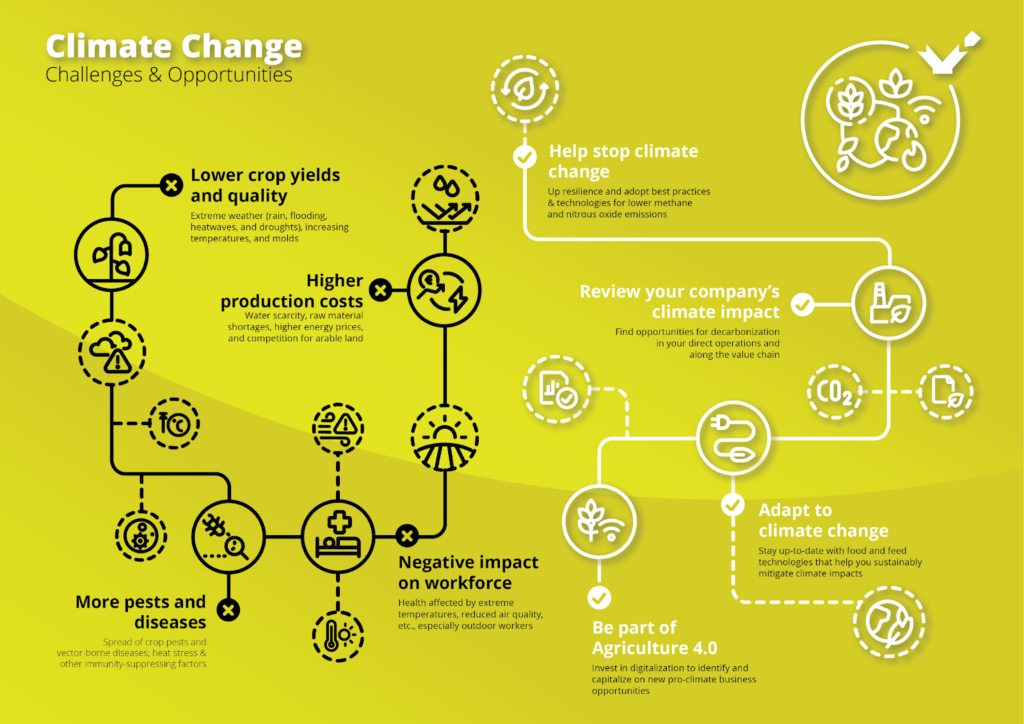
1. Physical Risks Are Showing Up in Asset Valuations
Research published in Nature Climate Change demonstrates that physical climate events — hurricanes, floods, droughts, and wildfires — directly affect asset prices and valuations.
For example:
- A U.S. real estate firm with coastal properties saw its asset value drop by 20% after repeated flood damage increased insurance premiums and repair costs.
- Agricultural firms in drought-prone regions experienced credit downgrades due to lower yields and higher default risk.
In both cases, physical climate risk translated into financial loss — something old-world finance models failed to price accurately.
2. Transition Risks and Regulation Are Redefining Capital Flows
Financial institutions are being forced to account for “transition risk” — the cost of moving to a low-carbon economy. This includes carbon taxes, clean-energy mandates, and regulatory penalties for high emissions.
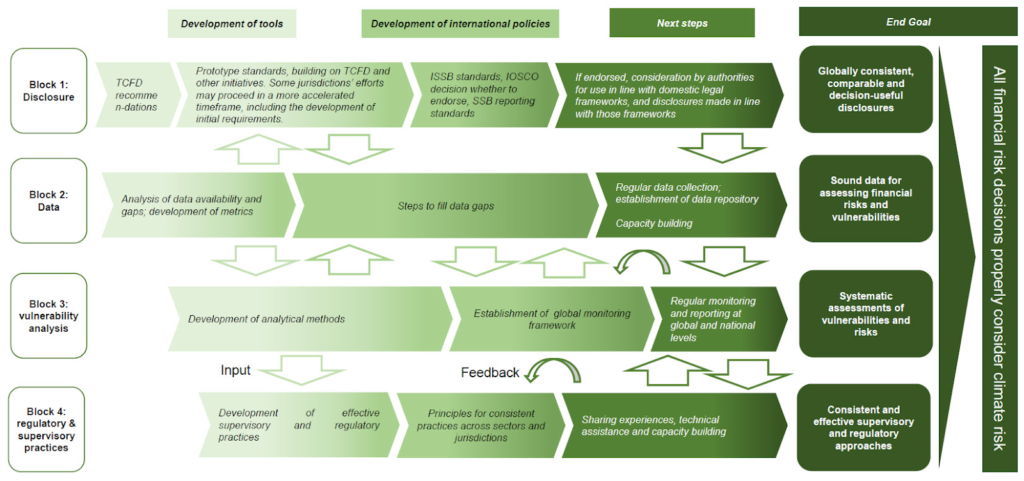
Global frameworks like the Task Force on Climate-related Financial Disclosures (TCFD) and International Sustainability Standards Board (ISSB) are pushing companies to report environmental data alongside financial results.
Those who fail to adapt are paying higher interest rates, facing investor withdrawals, or losing market credibility.
For instance, green-compliant firms in Europe now access capital up to 25% cheaper than non-compliant peers. Banks, meanwhile, are embedding sustainability ratings into loan pricing — effectively penalizing poor ESG performance.
Sustainability has moved from “corporate PR” to a core determinant of creditworthiness.
3. Climate Risk Is Transforming How Finance Models Risk and Return
Traditional financial risk models assumed gradual change and short-term predictability. Climate risks, by contrast, are non-linear, compounding, and long-term.
The Basel Committee on Banking Supervision (BIS) acknowledges that existing risk frameworks are insufficient. It has called for new approaches to capture both physical and transition climate risks.
This means that entire asset-pricing systems, insurance models, and investment strategies are being recalibrated to account for sustainability factors. What used to be “extra-financial data” is now central to portfolio construction and stress-testing.
How Sustainability and Climate Risk Affect Investors — Real Examples
To understand how the rules are changing, let’s look at a few real-world cases:
- Case 1: Wildfire Exposure in California
A commercial real-estate firm saw a spike in insurance premiums and maintenance costs after consecutive wildfires damaged key properties. Credit agencies downgraded the firm, increasing borrowing costs.
Lesson: Environmental exposure now dictates credit quality. - Case 2: The Coal Transition Shock
A European utility heavily dependent on coal lost over 40% of its market cap after EU carbon regulations tightened. Investors re-priced its debt, and refinancing became difficult.
Lesson: Transition risk can destroy asset value faster than physical risk. - Case 3: Banking on Agriculture
A global bank with heavy lending to drought-hit farms suffered rising defaults, leading to a surge in loan-loss provisions. Analysts later discovered climate risk had been ignored in lending models.
Lesson: Climate risk is credit risk.
Practical Investor Takeaways
- Integrate climate data into investment research and due diligence.
- Identify exposure to flood zones, heatwaves, and regulation-sensitive industries.
- Identify exposure to flood zones, heatwaves, and regulation-sensitive industries.
- Assess cost of capital across sustainability grades.
- Firms with strong ESG credentials often enjoy cheaper borrowing rates.
- Firms with strong ESG credentials often enjoy cheaper borrowing rates.
- Diversify exposure to avoid “brown-asset concentration.”
- Transition-vulnerable sectors like oil, gas, and cement may underperform in a carbon-priced future.
- Transition-vulnerable sectors like oil, gas, and cement may underperform in a carbon-priced future.
- Monitor regulatory evolution.
- Stay ahead of TCFD and ISSB disclosure mandates — these are becoming compulsory globally.
- Stay ahead of TCFD and ISSB disclosure mandates — these are becoming compulsory globally.
- Engage with climate-resilient sectors.
- Opportunities abound in renewable energy, adaptation tech, green infrastructure, and climate analytics.
- Opportunities abound in renewable energy, adaptation tech, green infrastructure, and climate analytics.
What Questions Are Americans Asking Right Now About This Shift?
- How does climate change affect my retirement investments?
- Are green funds actually safer in the long term?
- What happens if companies ignore climate regulations?
- Which sectors are winning from the sustainability trend?
- Is climate risk already priced into stock markets?
- Should I ask my bank how it measures sustainability risk?
- What’s the best way to hedge climate exposure in a portfolio?
- Are insurance premiums reflecting climate change properly?
- Will my 401(k) or pension automatically adjust to ESG standards?
- Is sustainability investing just a fad, or a permanent shift?
10 Frequently Asked Questions (FAQs)
1. What is “sustainability risk” in finance?
Sustainability risk means the potential for financial loss due to environmental or social harm — like pollution fines, deforestation backlash, or unsustainable resource use.
2. What are “climate-related financial risks”?
They’re divided into two categories:
- Physical risks: Losses from extreme weather events.
- Transition risks: Regulatory and technological shifts that change market value.
(Source: Financial Stability Board, fsb.org)
3. Are these risks already impacting markets?
Yes. In 2024, the IMF reported that over $1 trillion in assets could be devalued globally due to climate exposure within this decade.
4. Which industries are most vulnerable?
Oil & gas, coal, steel, insurance, real estate, and agriculture — sectors tied to natural resources or high emissions.
5. Can climate-conscious investing outperform?
Multiple studies, including from MSCI and BlackRock, suggest ESG portfolios have shown equal or better returns with lower volatility in the last five years.
6. How are banks adapting?
Banks now perform “climate stress tests,” model carbon-pricing scenarios, and tie loan conditions to sustainability targets.
7. Does climate risk affect small investors?
Yes. Even if you don’t invest directly in high-risk industries, your mutual funds, insurance, and pension portfolios are indirectly exposed.
8. What are governments doing about it?
The U.S. SEC is finalizing mandatory climate disclosure rules; the EU already enforces the Corporate Sustainability Reporting Directive (CSRD).
9. Are sustainability rules the same worldwide?
No. Standards differ across regions, but alignment is growing through ISSB and TCFD frameworks that aim to unify disclosure formats.
10. What’s the biggest challenge for financial institutions?
Reliable climate data. Many firms still lack accurate, forward-looking metrics for exposure and resilience, making pricing incomplete.
For Better or Worse: The New Financial Reality
Sustainability and climate risk aren’t just buzzwords — they’re redrawing the boundaries of finance.
For companies that adapt, this transformation offers huge upside: lower funding costs, better investor loyalty, and opportunities in green innovation.
For those who resist, the cost of denial will rise — through regulation, market repricing, and reputational loss.
Finance is entering a new era where carbon risk equals credit risk, and where sustainability performance equals financial performance.
The message is clear: adapt early, disclose transparently, and align with the global shift — or risk being left behind.
Recommended Action Plan
- Review sustainability exposure in your portfolio.
- Favor companies with credible climate-transition strategies.
- Track developments in TCFD, ISSB, and SEC climate regulations.
- Allocate part of your capital to climate-resilient and adaptation-themed funds.
- Engage with institutions that publish transparent, auditable ESG metrics.