
As the world pivots from globalization to digital finance, investors face one of the most profound economic transformations in decades. The twin forces of de-globalization and digital currencies are rewriting the rules of money, trade, and wealth creation — reshaping how capital flows, how currencies compete, and how investors must position themselves for the future.
What Does “From De-globalization to Digital Currencies” Actually Mean?
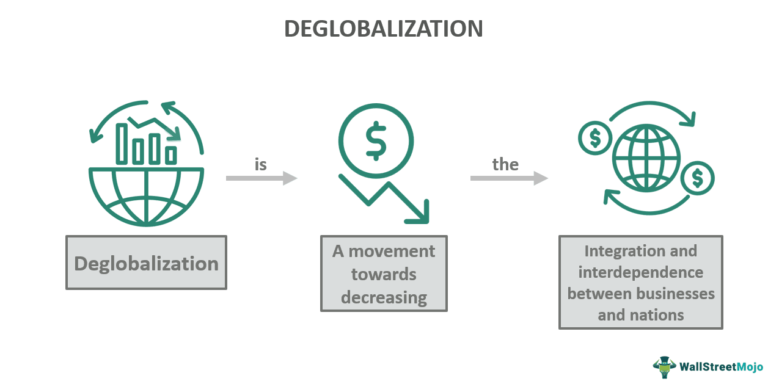
For nearly three decades, globalization defined how the world did business. Economies grew interconnected; goods, services, and capital flowed freely across borders. But as geopolitics, technology, and national interests collide, we are entering an era of de-globalization — the strategic reversal of hyper-connected global trade and finance.
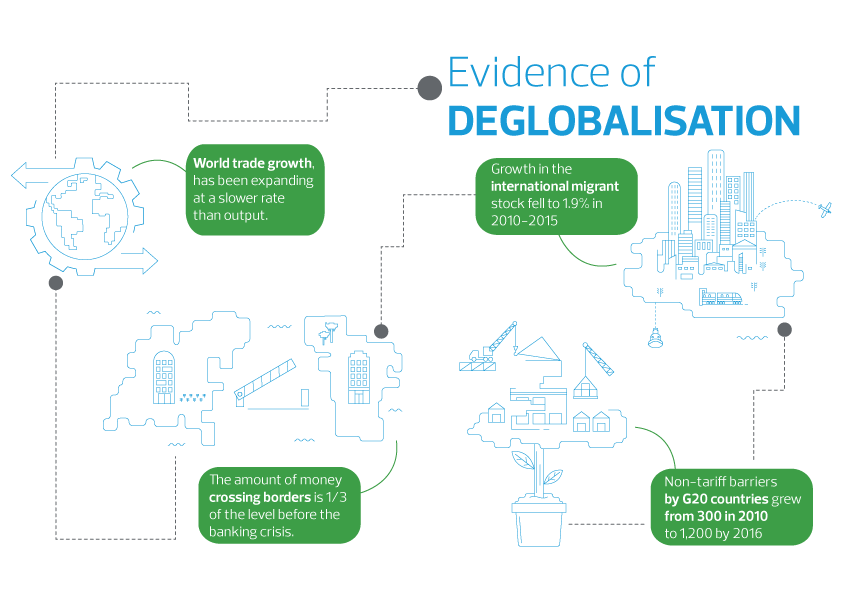
According to the OECD (2023), global value chains are fragmenting and regional trade blocs are gaining strength. Countries are reshoring manufacturing, tightening capital controls, and prioritizing economic sovereignty. The result? Slower cross-border flows, higher costs, and new power centers.
At the same time, digital currencies — from Central Bank Digital Currencies (CBDCs) to tokenized assets and stablecoins — are redefining the architecture of money itself. Unlike traditional banking systems that rely on intermediaries, these digital systems enable instant, programmable, borderless payments, often beyond the control of conventional financial infrastructure.
The combination of these two forces — fragmented global trade and digitized money — is what experts call the Global Finance Game Changer.
Why This Transformation Is a Game Changer for Investors
1. The Great Fragmentation of Supply Chains
For decades, companies optimized for cost by spreading their supply chains across continents. But recent global disruptions — from COVID-19 to geopolitical tensions — exposed the vulnerabilities of that model.
A 2023 OECD report confirmed that while global trade volumes remain significant, regional integration (e.g., Asia-Pacific, North America, Europe) is accelerating faster than global integration. Nations are choosing security over efficiency, building resilient but localized ecosystems.
What it means for investors:
- Global manufacturing giants may face higher input costs.
- Localized producers and near-shoring companies could outperform.
- ETFs or funds focused on domestic supply-chain resilience may offer long-term upside.
Example:
Companies like TSMC (Taiwan) and Intel (U.S.) are investing billions to localize semiconductor production. Investors who recognized this trend early benefited from strong government incentives and long-term demand for local tech sovereignty.
2. The Shift in Global Capital and Payment Networks
As countries assert greater control over money movement, capital mobility is being redefined. The International Monetary Fund (IMF) warns that global capital flows are now “less synchronized” than in the pre-2020 era.
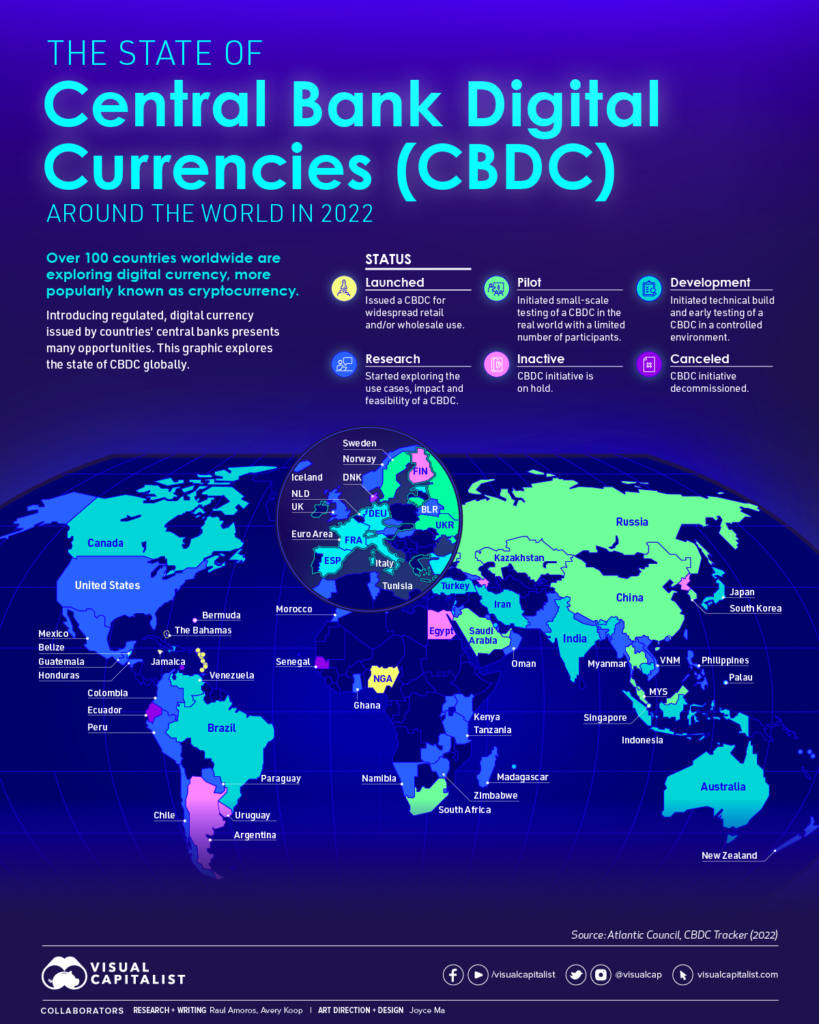
Digital currencies, especially CBDCs, are playing a central role in this new system. China’s e-CNY and pilot programs by the European Central Bank and Federal Reserve show how digital money could transform international settlements.
Case in point:
The People’s Bank of China is promoting the e-CNY for cross-border trade settlement, bypassing SWIFT and reducing dollar dependency. This could weaken the U.S. dollar’s global dominance over time.
Investor implications:
- Currency diversification becomes essential.
- Traditional “safe-haven” assets like U.S. Treasuries may face new competition.
- Investors must monitor digital-currency adoption in emerging markets for early opportunities.
3. Rewriting the Playbook for Portfolio Strategy
In a de-globalized, digitized world, the old rules of investing — “diversify globally, hedge currency, buy safe bonds” — are being rewritten.
Key Changes for Investors:
- Regional Fragmentation: Market correlations that once moved in sync are diverging.
- Digital Asset Integration: Tokenized securities, stablecoins, and CBDCs are emerging as new asset classes.
- Shifting Reserve Dynamics: The U.S. dollar’s share of global reserves is declining, while digital settlement networks rise.
Example:
If you own global equity ETFs assuming free capital flow, the new world of capital restrictions, regionalization, and digital asset systems could significantly alter performance correlations.
Takeaway:
Stay agile. Monitor not just company fundamentals but also the financial infrastructure they rely on.
Real-World Scenarios to Illustrate the Shift
- U.S. Manufacturing Investor: A portfolio heavy on global supply-chain companies could face margin compression as trade barriers rise.
- Bond Market Exposure: Investors in global debt markets could see reduced diversification benefits due to regional capital controls.
- Digital Asset Adoption: Early adopters of blockchain infrastructure and regulated stablecoin ecosystems could outperform traditional banks in payment innovation.
How Investors Should Prepare Right Now
To stay ahead of this tectonic shift, consider these strategic actions:
🔹 Re-Evaluate Global Exposure
If your portfolio relies heavily on global integration, assess the impact of regional disruptions. Diversify across regions with resilient trade networks.
🔹 Diversify Thematic Investments
Balance between digital finance innovators (fintech, blockchain, tokenization) and localization beneficiaries (regional logistics, automation, infrastructure).
🔹 Strengthen Currency Flexibility
Maintain exposure to alternative currencies or digital assets that hedge against U.S. dollar dominance erosion.
🔹 Monitor Policy Developments
CBDC pilots and regulatory frameworks are shaping future winners. Stay informed about evolving rules on digital payments, stablecoins, and data sovereignty.
🔹 Maintain Liquidity and Agility
In periods of structural change, the ability to pivot quickly between asset classes and geographies becomes your biggest advantage.
The Bigger Picture: A Financial System in Transition
The current transition mirrors the early 1970s — when the Bretton Woods system collapsed and currencies floated freely. Investors who understood the macro shift made fortunes; those who ignored it lost purchasing power.
Now, we stand at another crossroads:
- From globalized trade to localized production.
- From analog money to digital value systems.
- From financial centralization to programmable finance.
Every asset class — from equities and bonds to crypto and commodities — will feel the ripple effects.
Top 10 Frequently Asked Questions (FAQ)
1. Is de-globalization actually happening?
Yes. OECD and IMF data confirm slower global integration and a rise in regional trade blocs. The post-2020 world shows clear patterns of economic fragmentation.
2. What are Central Bank Digital Currencies (CBDCs)?
CBDCs are digital versions of national currencies issued directly by central banks. They enable faster, programmable payments and could reduce reliance on commercial banks.
3. Will the U.S. dollar lose its global reserve status?
Not immediately, but competition is intensifying. China’s digital yuan and other CBDCs could gradually diversify the global reserve structure.
4. How do digital currencies affect everyday investors?
They impact cross-border transactions, currency risk, and future monetary policy. Investments in fintech, blockchain, and digital payment platforms may benefit.
5. Which industries are most affected by de-globalization?
Technology, manufacturing, logistics, and finance. Companies dependent on global value chains are most exposed.
6. Is crypto part of this transformation?
Yes — crypto assets are the early manifestation of digital finance. However, CBDCs and tokenized securities represent the regulated evolution of that innovation.
7. How can I protect my portfolio during this shift?
Diversify geographically, hedge currencies, and include assets linked to digital finance infrastructure.
8. What risks come with ignoring these changes?
You may hold outdated assumptions about market correlation, liquidity, and currency safety — leading to hidden vulnerabilities.
9. How soon will these changes become mainstream?
Some effects are already visible (CBDC pilots, regional supply chains). Expect acceleration over the next 3–5 years.
10. What should I discuss with my financial advisor?
Ask about your exposure to digital-currency disruption, the impact of regionalization on your holdings, and whether your current portfolio aligns with the coming financial architecture.
Final Thoughts: The New Rules of Global Finance
The convergence of de-globalization and digital currencies isn’t a temporary anomaly — it’s a structural reset. Investors who cling to the past risk missing out on generational shifts in capital formation, technology, and monetary policy.
This is your moment to act:
- Reassess your global assumptions.
- Embrace digital transformation intelligently.
- Watch how nations and companies adapt to the new financial architecture.
The next decade will reward those who anticipate change, not those who react to it.
The global finance game has new rules — and the clock has already started.