

Inflation is doing more than raising prices at the grocery store—it’s quietly shrinking the value of your savings every single day, even if your bank balance looks the same. As consumer prices continue rising and many savings accounts fail to keep pace, Americans are losing buying power faster than they realize. This in-depth guide explains exactly how inflation affects your savings, why it’s happening, and the practical steps you can take right now to protect and grow your money in 2025 and beyond.
Why Inflation Is Quietly Destroying Your Savings
Most people understand inflation in theory: prices rise, money buys less. But the reality is far more damaging than it appears at first glance.
Even if your bank account hasn’t changed, the value of your money has.
According to data from the U.S. Bureau of Labor Statistics, consumer prices grew 3.4% year over year in 2024. Meanwhile, the national average savings account APY hovered around 0.46%, meaning most Americans earn almost nothing on their stored cash.
This creates a harsh mathematical truth:
0.46% interest – 3.4% inflation = –2.94% purchasing power loss
That means every $10,000 in a regular savings account loses about $294 in real value each year.
And that’s before factoring in taxes and rising living costs.
Inflation isn’t just a macroeconomic trend—it’s a direct threat to your financial future.
How Inflation Impacts Your Savings in Real Life
Many Americans don’t notice inflation immediately because its effects are subtle, creeping into everyday life. But once you pay attention, you’ll see its fingerprints everywhere.
1. Everyday shopping becomes more expensive.
What used to cost $100 at the grocery store may now barely fill a bag. Food inflation has outpaced wage growth and continues rising year after year.
2. Rent increases faster than income.
Housing remains one of the biggest drivers of inflation. Even Americans earning steady incomes are seeing their savings vanish just trying to keep up with rent spikes.
3. Emergency funds quietly lose power.
A $5,000 emergency fund several years ago covered most surprise expenses. Today, major car repairs or medical bills can wipe it out instantly.
4. Retirement goals drift further away.
A retirement target of $1 million now requires far more due to the long-term impact of inflation on housing, healthcare, and basic living expenses.
5. “Safe money” in savings accounts isn’t really safe.
While traditional savings accounts protect your balance from market risk, they expose you to a different kind of danger: inflation risk, which eats your money slowly but relentlessly.
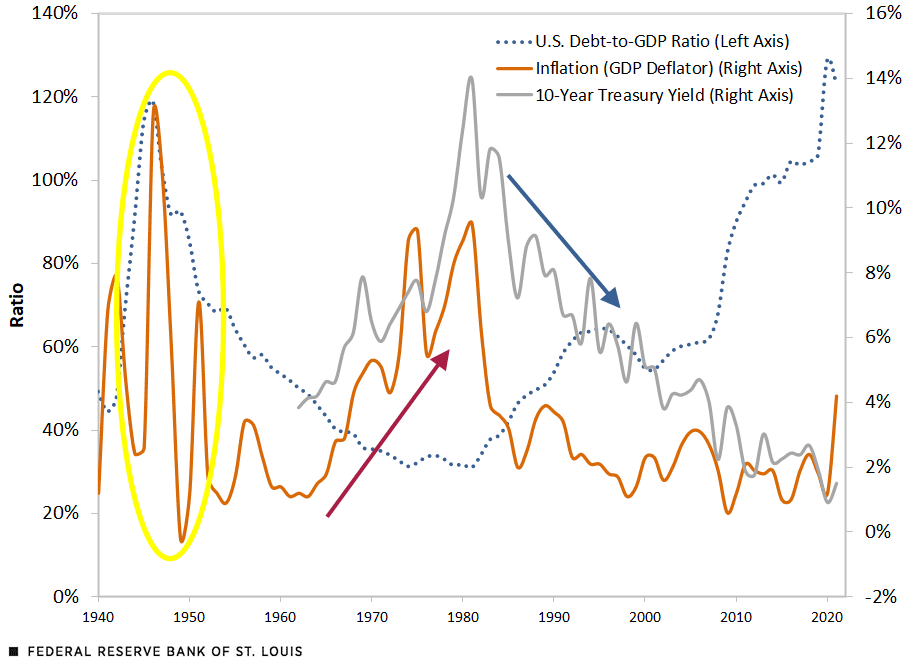
In short, inflation reduces the real-world usefulness of every dollar you save.
The Hidden Ways Inflation Hurts Your Financial Future
Beyond the obvious rise in prices, inflation creates secondary financial burdens that Americans often underestimate.
1. Decreased purchasing power
If inflation averages 3% per year, your money loses about half its value in 24 years. Even small percentages compound dramatically over time.
2. Lower real returns on investments
If your investment portfolio grows 7% in a year but inflation is 3%, your actual growth is only 4%.
3. Rising borrowing costs
Higher interest rates make mortgages, auto loans, student loans, and credit cards more expensive.
4. Income failing to keep pace
Many employers don’t increase salaries at the same rate as consumer prices, widening the gap between what you earn and what things cost.
5. Erosion of fixed-income assets
Traditional savings, low-APY CDs, and fixed annuities all lose value when inflation outpaces their returns.
Inflation isn’t just a price problem—it’s a lifestyle problem.
How to Fight Back Against Inflation and Protect Your Savings
The good news? You are not powerless. With the right strategies, you can protect your money, outpace inflation, and even grow your wealth faster than prices rise.
Below are the most effective inflation-fighting strategies financial experts recommend today.
1. Move Your Savings Into High-Yield Savings Accounts (HYSA)
Most Americans stick to traditional savings accounts simply because they’ve always used them. But with national APYs under 1%, they practically guarantee loss of value during inflationary periods.
High-yield online banks now offer 4.25%–5.50% APY, significantly reducing the damage inflation can do.
Why HYSAs help:
- FDIC-insured
- Highly liquid
- Interest rates adjust to market conditions
- Earnings keep pace with or sometimes outpace inflation
Real-life example
Jessica, a teacher from Ohio, moved $12,000 from a 0.4% savings account to a 5.0% HYSA.
Results:
- Old bank: ~$48/year
- New bank: ~$600/year
That’s an inflation-fighting win with zero risk.
2. Protect Your Savings With Treasury Inflation-Protected Securities (TIPS)
TIPS are government-backed bonds specifically designed to combat inflation. The principal value of TIPS adjusts with inflation, ensuring your money maintains its purchasing power.
Benefits of TIPS:
- Guaranteed by the U.S. Treasury
- Automatically adjust with the Consumer Price Index (CPI)
- Very low risk — ideal for conservative investors
TIPS are perfect for savers who want protection without stock-market volatility.
3. Use I-Bonds During High Inflation
I-Bonds became extremely popular in 2022–2023 when they temporarily offered a record 9.62% interest rate. Though rates fluctuate, they remain one of the safest inflation-proof investments available.
Why Americans love I-Bonds:
- Designed to beat inflation
- Backed by the U.S. government
- Ideal for long-term savers
If inflation ticks up again in 2025, I-Bonds become even more attractive.
4. Invest to Outpace Inflation Long-Term
Historically, the stock market delivers 7%–10% annual returns, far above inflation.
This means investing is not a luxury—it’s a necessity.
Beginner-friendly ways to invest:
- S&P 500 index funds
- Total stock market index funds
- Target-date retirement funds
Real example
If you kept $10,000 in cash from 2000–2020, you lost about 32% in purchasing power.
But if you invested that same $10,000 in the S&P 500, it grew to over $40,000.
Investing beats inflation. Not investing invites financial shrinkage.
5. Boost Your Income to Outrun Inflation
Expense-cutting helps, but income growth protects you far more.
Americans are increasing income today through:
- Freelancing
- Remote side gigs
- Asking for inflation-based raises
- Upskilling into higher-paying jobs
- Selling digital services or products
Even an extra $200/month helps offset rising prices.
6. Reduce “Inflation-Driven Waste” in Your Budget
You don’t need to cut everything—you just need to trim the right things.
Simple adjustments that save hundreds:
- Cancel unused subscriptions
- Switch mobile carriers
- Use rebate apps like Rakuten or Honey
- Buy store brands instead of premium labels
- Limit impulse Amazon purchases
Most households can cut $1,500–$3,000 per year with minor lifestyle changes.
7. Keep an Inflation-Adjusted Emergency Fund
Your emergency fund should grow with inflation, not fall behind it.
Financial advisors now recommend:
- 3–6 months of expenses
- Keep in a HYSA or laddered short-term Treasury bills
This helps your safety net stay strong even as prices rise.
8. Avoid Long-Term Low-Interest Financial Products
Be cautious with:
- Low-rate CDs
- Fixed annuities with rates under inflation
- Long-term fixed-rate savings bonds
If inflation rises, these products can trap you with low returns.

Frequently Asked Questions (FAQ)
Here are the most searched questions Americans are asking about inflation and savings today.
1. Why is inflation still high even though the economy seems stable?
Inflation lags behind economic recovery. Housing, energy costs, and wage increases continue pushing prices upward even when the economy appears steady.
2. Is my money safe in a regular savings account?
It’s safe from loss, but it’s not safe from inflation. Low interest rates mean your money loses value over time.
3. How much money should I keep in cash vs. investments?
Most financial planners recommend:
- Cash: enough for 3–6 months of expenses
- Investments: the majority of your long-term savings
4. Are high-yield savings accounts FDIC insured?
Yes. Legitimate U.S. HYSAs are insured up to $250,000 per depositor, per bank.
5. Are gold and crypto good hedges against inflation?
Gold is a stable long-term hedge. Crypto is more speculative and volatile—only choose it if you’re comfortable with risk.
6. Will inflation continue in 2025?
Economists expect inflation to remain elevated due to supply constraints, housing demand, and global disruptions.
7. How does inflation affect retirement savings?
Inflation reduces how much your retirement dollars can buy, meaning you may need a larger nest egg than previously estimated.
8. Are I-Bonds still a good idea?
Yes. They remain one of the safest inflation-resistant investments, especially for long-term savers.
9. What’s the fastest way to protect savings from inflation?
Move cash into high-yield savings accounts, then start investing consistently.
10. Does Social Security adjust for inflation?
Yes, through annual cost-of-living adjustments (COLA), but increases often fail to match real-life expenses.
Final Thoughts: Inflation Isn’t Going Away — But You Can Outsmart It
Inflation may feel unstoppable, but you are not powerless. By making smarter banking choices, investing consistently, and adjusting your financial strategy to reflect today’s realities, you can protect your savings and even grow wealth faster than inflation rises.
Your money doesn’t have to shrink.
You just have to put it to work.